

A rubber stamp order is feasible only when the exact rubber, selected machine configuration and extraction system are approved together, and the service burden fits the job. A clean impression alone does not establish that repeated processing is practical. If extraction performance deteriorates, stop using the setup and follow the equipment manufacturer's instructions before resuming.

A September 7, 2026 maker discussion describes filter clogging during rubber work. That is an individual report, not a measured TYVOK result, but it identifies a useful purchasing question: what must be maintained between acceptable blocks?
Ask about residue before accepting repeat work
Get the rubber's full product identity, including any backing. Ask TYVOK whether that exact material and intended process are supported on the selected X1S Pro configuration. Separately ask the extraction supplier about compatible contaminants, monitoring indicators, filter replacement, waste handling and service procedures. A rubber sheet advertised for another laser is insufficient evidence.
The craft-plywood label example illustrates the difference between a retail label and composition documentation. Its plywood guidance does not qualify rubber. Do not substitute a generic “laser material” description for written answers about your actual sheet.
| X1S Pro stamp-job record | What belongs in it |
|---|---|
| Rubber identity | Supplier, product code, backing and lot |
| Extraction configuration | Approved equipment and installed filter types |
| Condition before processing | Manufacturer-specified operating indicators |
| End of supervised session | Indicator changes and visible residue observations |
| Service event | Procedure followed, parts replaced, time unavailable |
Treat service as occupied workshop time
Here is a planning example, not a service interval. Suppose a small order contains six printing blocks. Your process record should have separate entries for preparation, supervised engraving, manufacturer-prescribed cleanup, extraction servicing when indicated, and impression checking. If a service warning occurs after block two, the remaining four blocks are unfinished work; they cannot be promised simply by multiplying the first block's engraving time.
Keep replacement consumables available according to the extraction supplier's guidance. Do not assume a filter can be washed or restored. Never clean energized equipment, blow collected dust into the room with compressed air, or bypass a restriction indicator to finish an order. Isolation, disposal and protective equipment must follow the applicable manufacturer procedures.
Small raised features also deserve their own acceptance check. A block that survives cleaning but loses fine letters during ordinary printing is unsuitable for the promised artwork. Record both the equipment service event and the printed result; one does not explain away the other.
Where the X1S Pro fits
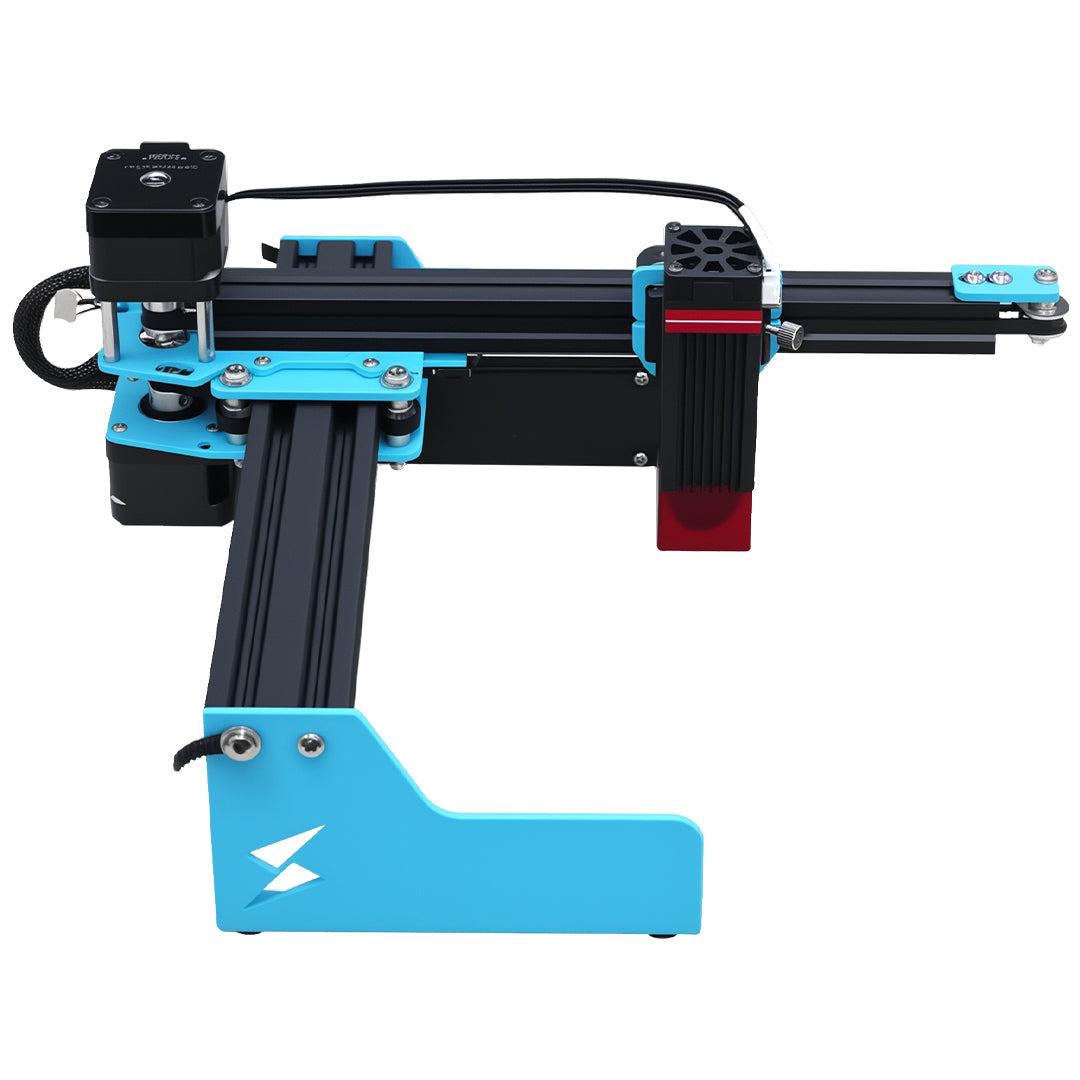
The current TYVOK X1S Pro page lists a large-format work area and LightBurn support. Those features may help organize compatible sheet work, but they do not establish rubber compatibility or an extraction service interval. Verify the selected configuration before purchasing around stamp production.
Can I mount the cushion before engraving?
No. Keep cushion and adhesive out of laser processing. Assemble them only after all processing and permitted cleanup are complete, following the stamp-component supplier's instructions. Mount and cushion pressure then becomes a separate printing-quality issue.
Should I replace rubber with wood if filters clog?
Changing material creates a new qualification task, including wood composition, intended printing detail and extraction requirements. Do not treat wood as a drop-in cure. Resolve the current extraction problem first, then evaluate any alternative as its own supported process.