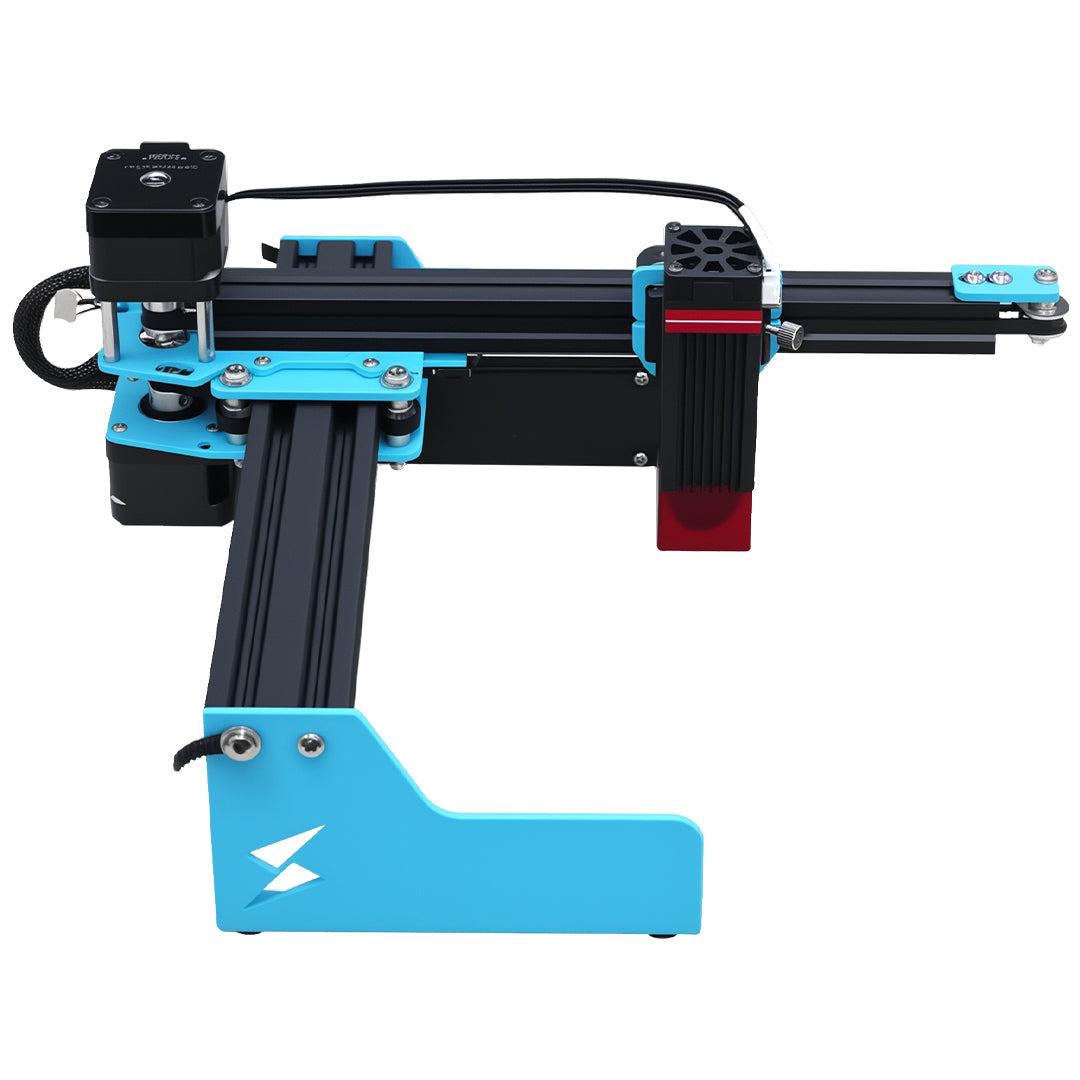


Short answer: TYVOK P2 should not only be used to make a sample. For a small business, the same sample needs to become a product photo, a listing, a personalization form, and a repeatable production checklist. This guide shows how to turn one P2 test into a customer-facing offer without inventing performance claims.

The P2 product launch workflow
| Step | What to create | Why it helps sales |
|---|---|---|
| 1. Pick one blank | One supplier, one color, one size, one engraving area | Keeps photos and customer expectations consistent. |
| 2. Make a safe test | A material note with supplier, surface, color, and cleaning step | Prevents selling a result that cannot be repeated. |
| 3. Shoot the proof | Five photos: front, close-up, size reference, packaging, option set | Gives buyers enough detail before they ask questions. |
| 4. Write the listing | Clear personalization fields and a conservative material description | Reduces custom-message back-and-forth. |
| 5. Save the repeat checklist | Design file, jig/position note, cleaning note, packing note | Turns the first sample into a repeatable product. |
The five photos every TYVOK P2 listing needs
- Finished product view: show the full product, not only the engraved mark.
- Close-up detail: show readability, contrast, texture, and finish.
- Option photo: show available colors, shapes, or material choices only if each one has been tested.
- Scale photo: show the item next to packaging, a hand, or a known object so buyers understand size.
- Gift or shipping photo: show how the item arrives, especially for event favors and personalized gifts.
Listing copy that makes production easier
Use fixed fields such as name, initials, date, short phrase, logo upload, QR code, or event role. Avoid open-ended requests like “any design you want” until the shop has a reliable proofing process. The first P2 listings should be easy to order and easy to reproduce.
Small product examples that fit this workflow
| Product idea | Best listing angle | Proof photo to include |
|---|---|---|
| Leather key fob | Initials or short name | Close-up texture and packaging photo |
| Gift tag set | Wedding, holiday, or local event bundle | Set photo with several names or roles |
| Coated tag or card | Brand logo, QR code, or product label | Readability close-up and size reference |
| Small wood keepsake | Date, location, or short message | Front view plus detail of contrast |
| Packaging insert | Small business branding or thank-you card | In-box or product bundle photo |
Quality control before publishing the listing
- Test the exact material, coating, and supplier batch before accepting orders.
- Do not promise a material result that has not been photographed.
- Keep unsafe or unknown plastics out of the public offer.
- State the personalization limit clearly: character count, logo requirements, and proofing rules.
- Keep one finished sample as the reference for future orders.
A simple product photo shot list
| Photo | Setup | Listing use |
|---|---|---|
| Main image | Clean background, product centered, engraving visible but not over-cropped | Search result and collection grid |
| Detail image | Close-up at a slight angle, no harsh reflection | Shows engraving quality and material texture |
| Personalization image | Same product with 2-3 realistic name or logo examples | Explains what the buyer can customize |
| Packaging image | Product next to box, pouch, card, or shipping-ready presentation | Supports gift and event orders |
| Scale image | Product near a common object or in a real use setting | Reduces size confusion and returns |
Reusable listing template
Product title: lead with the product, then the personalization use case. Example: “Personalized Leather Key Fob with Name or Initials.”
First paragraph: explain who the product is for, what can be personalized, and what the customer receives. Keep the promise tied to the tested sample, not to every possible material.
Personalization field: ask for one clear input at a time: name, initials, short phrase, logo file, date, or QR code. Add a character limit if the product is small.
Production note: state that natural material color, coating, and supplier batches can create slight visual differences. This is honest and reduces support pressure.