

What is MDF and Is It Safe for Laser Engraving? Complete Guide 2026
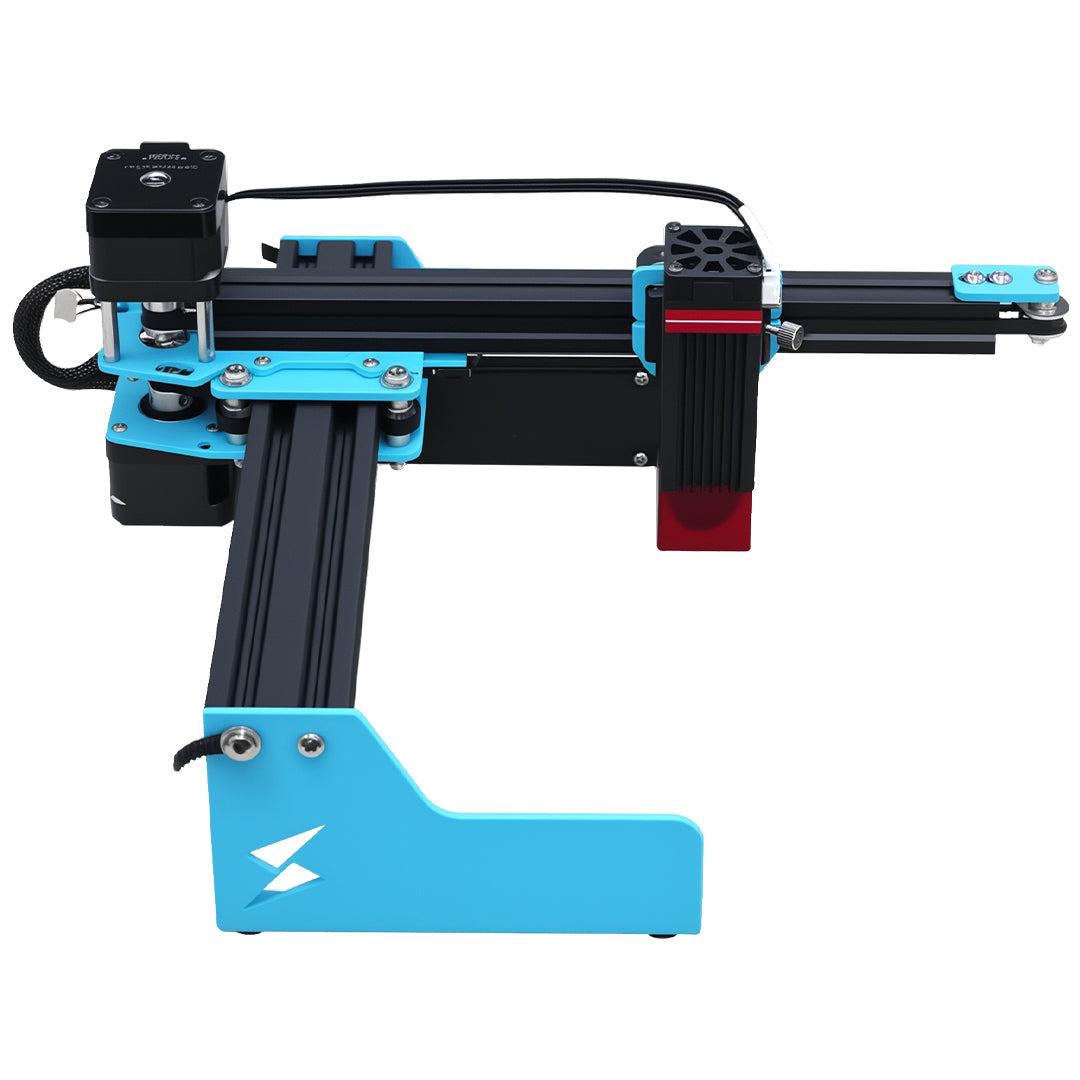
If you're new to laser engraving and looking for an affordable, versatile material to start with, you've probably come across MDF. But what exactly is MDF, and is it safe to use with a laser engraver like the Tyvok A1 Mini or Tyvok P2?

MDF (Medium-Density Fiberboard) is one of the most popular materials for beginner laser projects because it's cheap, easy to find, and engraves really well. But there's a lot of conflicting information out there about its safety and how to work with it properly.
In this complete guide, we'll break down everything you need to know about using MDF with your laser engraver, including safety precautions, settings, and project ideas.
What is MDF?
MDF stands for Medium-Density Fiberboard. It's an engineered wood product made by breaking down hardwood or softwood residuals into wood fibers, combining it with wax and a resin binder, and pressing it into panels under high temperature and pressure.
Key Characteristics of MDF:
- Uniform density: Unlike natural wood, MDF has no grain knots or irregularities, which makes it perfect for clean, consistent engravings
- Smooth surface: The flat, even surface is ideal for detailed engravings and sharp contrasts
- Affordability: Generally much cheaper than solid wood or plywood
- Availability: Can be found at almost any home improvement store in various thicknesses
- Stability: Less prone to warping and shrinking compared to natural wood
Common Thicknesses for Laser Projects:
- 1/8" (3mm) - Great for engraving and cutting coasters, ornaments, and small projects
- 1/4" (6mm) - Good for thicker signs, boxes, and larger projects
- 1/2" (12mm) - Can be engraved but requires multiple passes for cutting
Is MDF Safe for Laser Cutting and Engraving?
This is the most common question we get about MDF, and the answer requires some context.
The Concern: Formaldehyde Release
MDF is manufactured with urea-formaldehyde resin to hold the wood fibers together. When you cut or engrave MDF with a laser, some of this resin is vaporized, which can release formaldehyde gas into the air.
Formaldehyde is a known irritant and classified as a probable human carcinogen. However, the actual risk depends on several factors:
- Ventilation: Proper ventilation is the key factor in reducing exposure
- Quantity of cutting: Occasional hobbyist use with good ventilation poses minimal risk
- Type of MDF: Some MDF products are labeled "low-emission" (CARB P2 compliant in the US) which have much lower formaldehyde levels
Safety Precautions for Working with MDF
If you follow these safety guidelines, MDF can be used safely with your laser engraver:
- Always Use Proper Ventilation
- Use your laser's exhaust system to vent fumes outside
- Work in a well-ventilated area
-
Consider wearing a respirator mask rated for organic vapors when cutting MDF
-
Choose Low-Emission MDF
- Look for CARB P2 or E0 rated MDF which has much lower formaldehyde content
-
Avoid older or cheaper MDF which may have higher emissions
-
Don't Leave Your Laser Unattended
- MDF can be more prone to catching fire than solid wood because of the fine fibers
-
Keep a fire extinguisher nearby just like with any laser cutting project
-
Clean Your Laser Regularly
- MDF produces more soot than many other materials
- Clean your laser's lens and mirrors more frequently when working with MDF
Bottom line: While MDF does release some formaldehyde when lasered, with proper ventilation and reasonable use, it's safe for hobbyist projects. If you're particularly sensitive or plan to cut MDF daily, you might want to consider alternatives, but for most beginners starting out with their Tyvok A1 Mini, MDF is perfectly fine when handled correctly.
How Does MDF Laser Engrave?
MDF is actually one of the best materials for beginner laser engravers because it produces fantastic results.
What Makes MDF Great for Engraving:
- High Contrast: The laser burns the surface to a darker brown, creating excellent contrast against the lighter base color
- Detail Holding: The uniform density means MDF holds fine detail very well
- Depth Consistency: No grain to worry about, so your engravings are even across the entire piece
- Easy to Work With: Doesn't require any special prep or treatment before engraving
What Does an Engraving Look Like on MDF?
The laser creates a deep, dark brown burn that's very visible and doesn't require any additional filling (though you can fill it with paint for extra contrast if you want). The edges of a clean cut will be slightly darker and charred, which is usually desirable for many projects.
Best Laser Settings for MDF
The optimal settings depend on your laser power and the thickness of your MDF. Here's a general starting point for a 10W diode laser like the Tyvok A1 Mini:
Engraving Settings:
- Power: 30-50%
- Speed: 200-300 mm/s
- DPI: 300-340 DPI
- Passes: 1 pass is usually enough for good contrast
Cutting Settings (10W Diode Laser):
- 1/8" (3mm) MDF:
- Power: 80-100%
- Speed: 50-80 mm/s
- Passes: 1-2 passes
- 1/4" (6mm) MDF:
- Power: 100%
- Speed: 20-40 mm/s
- Passes: 2-3 passes
Tips for Better Results:
- Always do a test cut on a scrap piece of MDF first
- If cutting through, allow the smoke to clear between passes
- Multiple slower passes are better than one fast high-power pass
- The bottom side will have more charring, so put masking tape on the back to reduce this
Pros and Cons of MDF for Laser Projects
Pros:
✅ Very affordable - Great for beginners practicing on a budget
✅ Excellent engraving contrast - Produces beautiful, high-contrast engravings
✅ Widely available - Can find at any local hardware store
✅ Consistent and uniform - No grain or knots to deal with
✅ Stable - Doesn't warp easily compared to natural wood
Cons:
❌ Formaldehyde emissions - Requires proper ventilation
❌ Hygroscopic - Absorbs moisture easily, so not suitable for outdoor projects without sealing
❌ More soot - Creates more smoke and residue than solid wood, requiring more frequent cleaning
❌ Not as strong as plywood - More brittle and prone to breaking if dropped
❌ Dust when cutting - Even without laser, MDF creates fine dust that should be handled with care
Popular Project Ideas for MDF
MDF is incredibly versatile for laser projects. Here are some popular ideas that work great:
- Coasters - 1/8" MDF is perfect for laser engraved coasters, and it's easy to cut to size
- Signs - Great for making custom home decor signs, business signs, or wedding signs
- Boxes and Containers - 1/4" MDF works well for laser-cut box projects
- Ornaments - Christmas ornaments and decorative ornaments cut beautifully
- Clock Faces - The uniform surface is perfect for engraving clock numbers and details
- Inlays - MDF's consistency makes it ideal for laser engraving inlays
- Jigsaw Puzzles - Cut custom puzzles with great detail
- Drawer Pulls and Knobs - Thicker MDF can be engraved and cut into custom hardware
Finishing MDF After Laser Engraving
MDF can be finished in many ways depending on your project:
- Left Natural: Many projects look great just left as-is after laser engraving
- Sealed: For coasters or projects that will get wet, seal with a clear polyurethane or lacquer to protect from moisture
- Paint Filled: Fill the engraving with acrylic paint then sand the surface to create high-contrast black engravings
- Stained: MDF takes stain well, which can enhance the contrast of your engravings
- Lacquered: A clear lacquer finish protects the surface and gives it a nice glossy look
Alternatives to MDF
If you're concerned about formaldehyde or just want to try something different, here are some good alternatives:
- Basswood Plywood - Natural wood, low emissions, great for engraving (read our complete guide to laser engraving plywood)
- Solid Hardwood - More expensive but no added resins
- Bamboo - Eco-friendly, engravings beautifully (read our complete guide to laser engraving bamboo)
- Cork - Soft, easy to cut, and natural (read our guide to laser engraving cork)
Final Thoughts
MDF is an excellent material for beginner laser engravers, especially when you're just starting out with a machine like the Tyvok A1 Mini or looking to practice on a budget. It's affordable, produces great engraving results, and can be used for a wide variety of projects.
While it's true that MDF releases formaldehyde when cut, with proper ventilation and reasonable hobbyist use, the risks are minimal. Just make sure you work in a well-ventilated area, use your exhaust system, and consider low-emission MDF if you're concerned.
If you're looking for a versatile material to start your laser engraving journey with, MDF is hard to beat for the price. It's the perfect material to practice your skills on before moving on to more expensive materials, and many hobbyists continue to use it regularly even after gaining experience.
Whether you're making coasters, signs, ornaments, or boxes, MDF will give you great results with your Tyvok P2 and help you create beautiful projects without breaking the bank.
Related Reading: Best Speed and Power Settings for Laser Engraving Wood: Complete Guide 2026
Related Reading: What is a Galvo Laser Engraver and How Does it Work? Beginner's Guide 2026
Related Reading: Best Acrylic For Laser Engraving And Cutting Beginner S Guide 2026