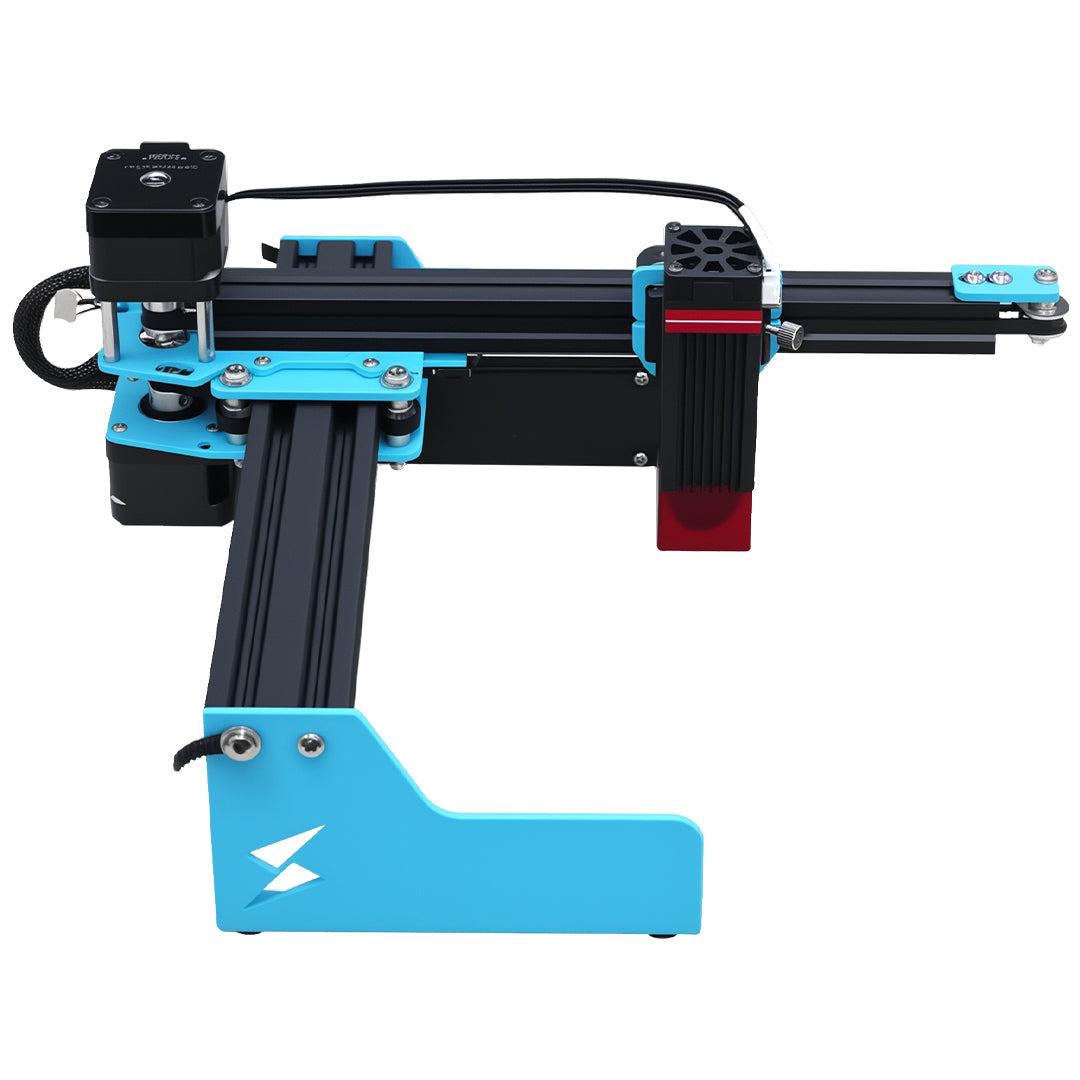


Place a pencil name where normal sharpening is least likely to remove it, while keeping it clear of the ferrule and eraser. Decide that location on an identical unprocessed pencil first. A name that fits today's barrel may disappear as the pencil gets shorter.

A school-giveaway pencil discussion shows interest in personalized pencils and repeatable replacements. Sharpening loss is a practical consequence of that use, rather than a measured durability result from the post. Its competitor process does not qualify ordinary painted pencils for the P2.
Map the pencil as a consumable object
Lay a paper representation beside the pencil and mark the point end, current exposed wood, ferrule boundary and intended name location. Add a second mark for the shorter length at which the user would still expect to read the name. That chosen service length is a customer preference, not a universal number of sharpening cycles.
For example, if a proposed name overlaps a section the owner expects to sharpen away, move it toward the eraser or shorten the text. Do not merely shrink the letters until an unreadable full name fits. For long names, checking text width and its anchor solves a separate artwork constraint.
A placement check for a compact marking field
| Pencil feature | Check before using the P2 | Reason |
|---|---|---|
| Remaining wooden barrel | Measure the eligible, supported face | Overall pencil length is not usable marking length |
| Ferrule and eraser | Keep the design and process clear | They are different materials and surfaces |
| Future sharpened section | Compare with the chosen retained length | Avoid putting the name in the disposable end |
| Reading direction | Show a paper mockup to the recipient | A left-to-right preview can feel reversed in use |
| Name length | Inspect actual-size lettering | Monitor zoom can hide cramped characters |
Check orientation while holding the pencil as it will be used. A desk photograph alone may not reveal whether the name faces away from its owner. Record the chosen end, face and distance from a fixed feature so a replacement can be positioned consistently.
Material approval comes before personalization
The P2 product information lists a 60 × 60 mm working area. This constrains the artwork, but does not prove a full pencil has adequate support or clearance. Confirm the exact barrel construction and finish with the relevant supplier and machine guidance. Exclude unknown coatings, mechanical-pencil mechanisms and unapproved fixtures.
The flat-face and restraint check helps decide whether the eligible barrel can stay stable. If that prerequisite fails, use another approved personalization method or a separate flat name item. A paper placement test establishes neither laser compatibility nor resistance to handling.
Should the name always be right beside the eraser?
No. Leave sufficient separation from the ferrule and use the actual supported, approved surface. The best location balances retained length, readable text and physical clearance.
Can I promise the name will last until the pencil is used up?
Only the proposed placement can be shown beforehand. Sharpening habits, wear and the retained barrel length vary. Describe the intended location and let the customer approve it without promising a lifetime the sample has not established.