

When pasted lettering shifts despite unchanged wording, compare its visible width and intended anchor before duplicating it again. The same text can occupy a different footprint after transfer. Re-centering by eye may conceal the cause and leave inconsistent spacing across an X1S Pro batch.

The LightBurn 2.2.00 RC1 early-access notes describe a copy-and-paste text-width correction affecting font position. This is version-specific evidence, not a guarantee that an update will repair every shifted name layout.
Define what must stay fixed
Before copying the text, decide which relationship matters: a centered name over a badge, a left-aligned label beside a hole, or a right-aligned number inside a border. Those layouts need different anchors. An unchanged position value can be misleading if the selected anchor or the object's width has changed.
Keep the original and pasted version side by side in a working file. Compare the wording, font, visible width, line spacing, and anchor selection. Use a temporary reference line or outline to judge the intended relationship. Remove or disable that reference from output after the comparison.
| Layout purpose | Relationship to preserve |
|---|---|
| Name centered over emblem | Text midpoint aligned with emblem midpoint |
| Label beside a mounting hole | Required clearance from the hole boundary |
| Number against a right border | Consistent right-side margin |
| Two-line personal message | Line spacing and each line's alignment |
Choose a long name, a short name, and one with punctuation for the first layout comparison. Different word lengths can reveal an anchor mistake that a single centered example hides. Do not squeeze every name to one width without considering whether the resulting lettering still looks appropriate.
Protect the approved wording
If you convert text to fixed geometry or an image, retain an editable source. The editable-master approach for rasterized name layouts preserves future spelling changes; it does not excuse skipping comparison of the exported result.
When the change occurs during SVG import instead of pasting within a document, investigate relative units and imported text size. Keep those two routes separate so you can identify the action that changes the text.
Before handoff, save the accepted layout with the active production page recorded. The next operator should be able to identify the exact approved names and their positions without reconstructing them from screenshots.
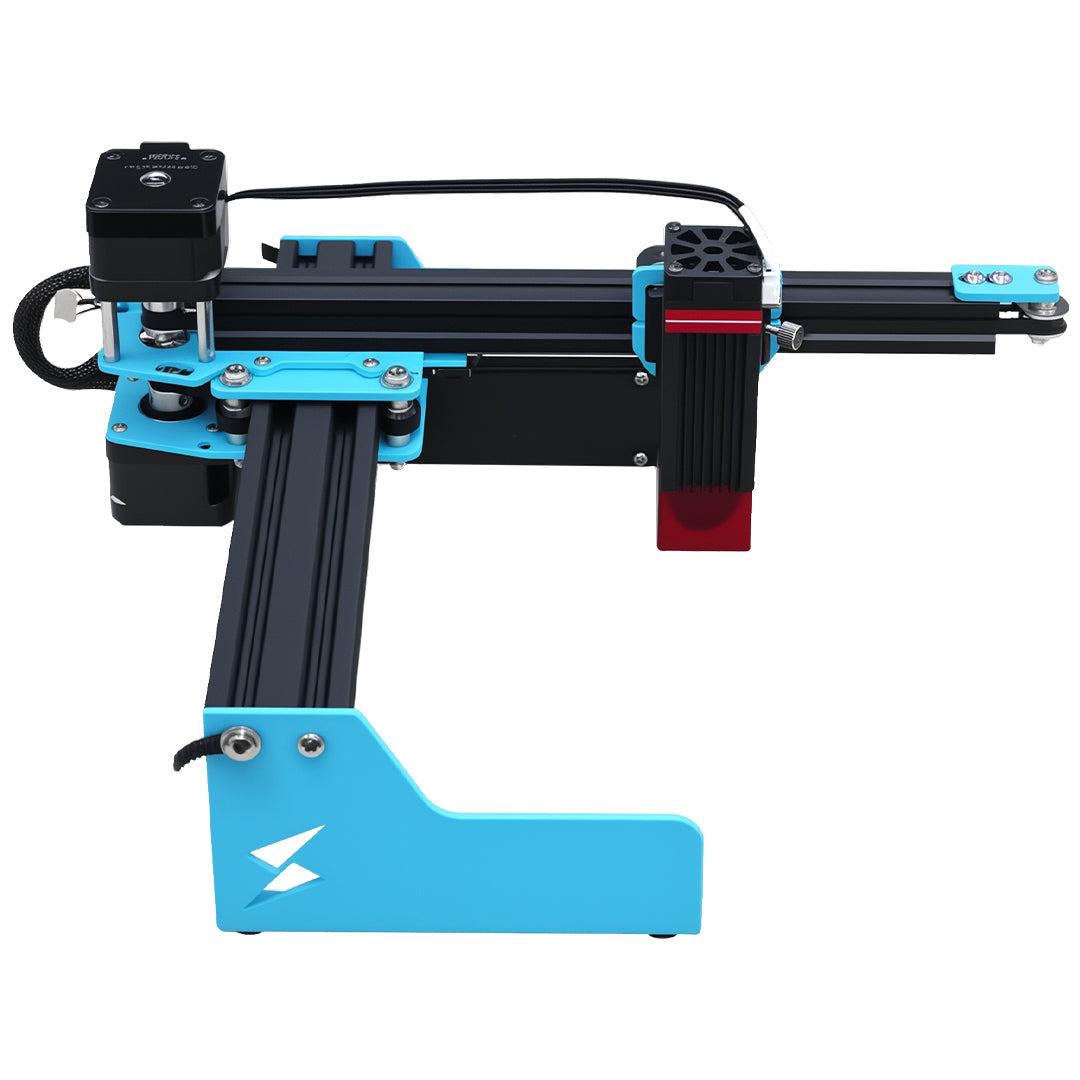
The TYVOK X1S Pro is positioned for production-oriented large-format workflows. Confirm the selected hardware, compatible material, and supported software. Greater layout capacity increases the value of catching a placement mistake before repetition; it does not guarantee typography will remain unchanged between applications.
Questions about pasted names
Should every name use the same text box width?
Only if that is the approved design rule. Equal boxes do not require distorted lettering. Use a consistent anchor and a sensible maximum available width, then inspect unusually long names separately.
Why does moving the text back manually fail on the next name?
The displacement may depend on the new word's width or the chosen anchor. A manual correction for one word does not establish a repeatable relationship. Compare the underlying alignment rule before copying more entries.