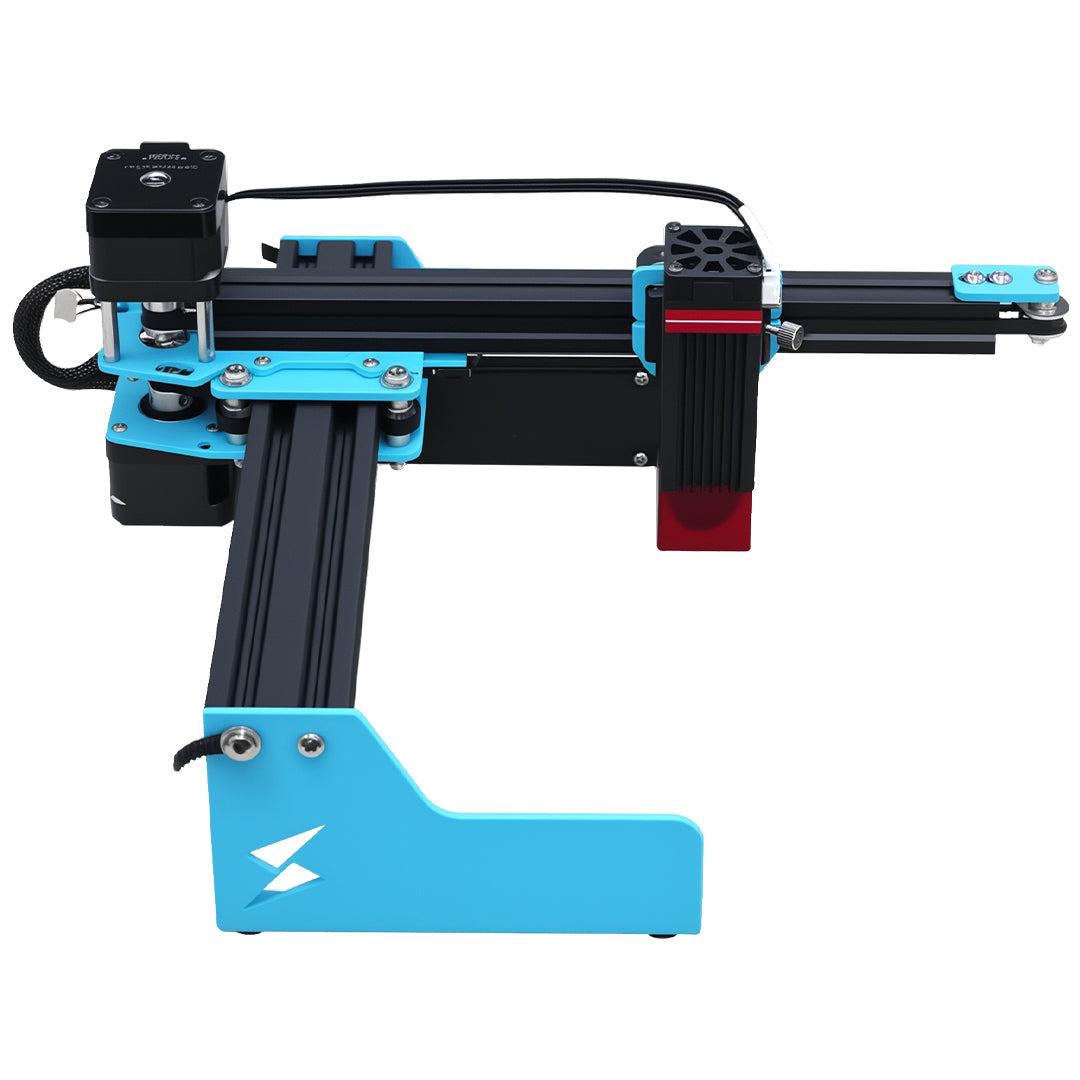


A laser engraver OEM MOQ is not one universal number. It changes when the product configuration, branding method, packaging, software scope, destination market, or support package changes. A supplier that quotes a minimum quantity before understanding those inputs is giving you a placeholder, not a production plan.

For the TYVOK P2 partner program, around 50 units is a practical starting reference for light customization. It is not a guaranteed MOQ for every configuration. The final quantity is confirmed after the product, branding scope, destination requirements, and commercial terms are reviewed.
Start by separating three different buying models
Dealers often use “OEM” to describe several different arrangements. The quantity changes because the work required is different.
| Cooperation model | Typical scope | Why the starting quantity differs |
|---|---|---|
| Distribution | Finished TYVOK product and standard packaging | Minimal customization and faster market testing |
| Private label | Partner brand on agreed product and packaging touchpoints | Branding approval, production setup, packaging and documentation must be coordinated |
| Local assembly | Approved modules plus defined local assembly and test responsibilities | Configuration control, training, QA and compliance responsibilities must be agreed |
If demand is still unproven, distribution or a sample-first path may be more useful than forcing an OEM order. The first objective is to learn whether customers buy the product, not to secure the lowest theoretical unit cost.
Six inputs that change the OEM MOQ
1. Product configuration
A standard platform is easier to plan than a new combination of laser module, stand, controller, accessories, or power requirements. Every additional configuration can create separate purchasing, testing, labeling, and inventory work.
2. Machine branding
Standard logo and product-name placement is different from a new housing color, new mechanical parts, or a redesigned control interface. The more physical processes that change, the more production setup and approval work may be required.
3. Packaging
Applying a local label to premium neutral packaging is not the same as printing a completely new box, insert system, manual set, and accessory layout. Custom print suppliers may also have their own quantity requirements.
4. Software
Neutral or white-label software options must be reviewed for the actual cooperation model. A logo change, localized onboarding, account infrastructure, app-store distribution, update ownership, and device support are not the same scope. Do not assume that “white label” automatically includes every software layer.
5. Destination requirements
Plug type, language, labels, documentation, importer information, and compliance responsibilities depend on the target market. A proposal for one destination should not be copied into another country without review.
6. Support and spare parts
The commercial plan should state who provides first-line support, which spare parts are stocked, how warranty cases are diagnosed, and when TYVOK becomes involved. A partner that wants faster local service may need a different launch package from a marketplace reseller.
Do not use MOQ as the only price signal
A lower factory price can be cancelled by freight, duties, slow inventory turns, payment cost, local service, warranty reserve, damaged units, and marketplace fees. Compare the landed contribution per sellable unit, not only the purchase price.
Build at least three demand cases:
- A conservative case based on proven monthly sales.
- A planned case based on realistic channel capacity.
- A downside case that includes slower sell-through and warranty cost.
If the downside case creates uncomfortable inventory exposure, reduce customization or test the market first.
Compare quotations using the same scope
Create a comparison sheet before selecting a supplier. Normalize the laser configuration, included accessories, branding method, packaging, software, spare parts, freight term, payment schedule, lead time, warranty, and destination documentation. Ask each supplier to mark exclusions and assumptions. A quotation that appears cheaper may exclude the packaging proof, local labels, software work, replacement stock, or shipping terms included elsewhere. Do not reward an incomplete quotation simply because its unit-price cell is lower.
What to send before requesting a final MOQ
Prepare the target country, sales channel, expected first order, preferred P2 configuration, logo files, packaging expectations, software needs, desired launch timing, and local service capability. This gives the OEM team enough information to distinguish a standard light-customization plan from a deeper development request.
The written proposal should then confirm the quantity, unit configuration, branding scope, packaging, software path, lead time, payment terms, documentation, and support responsibilities.
The practical next step
Treat the first quantity as a risk decision, not a badge of seriousness. Test the product, confirm the market, and customize only the parts that help customers understand and trust your brand.
Request a P2 sample and OEM review, or compare distribution, private label, and local assembly before choosing a starting model.
Check the machine before buying
For the material and workflow discussed above, review TYVOK P2 configurations and purchase options after testing the exact project materials and setup.