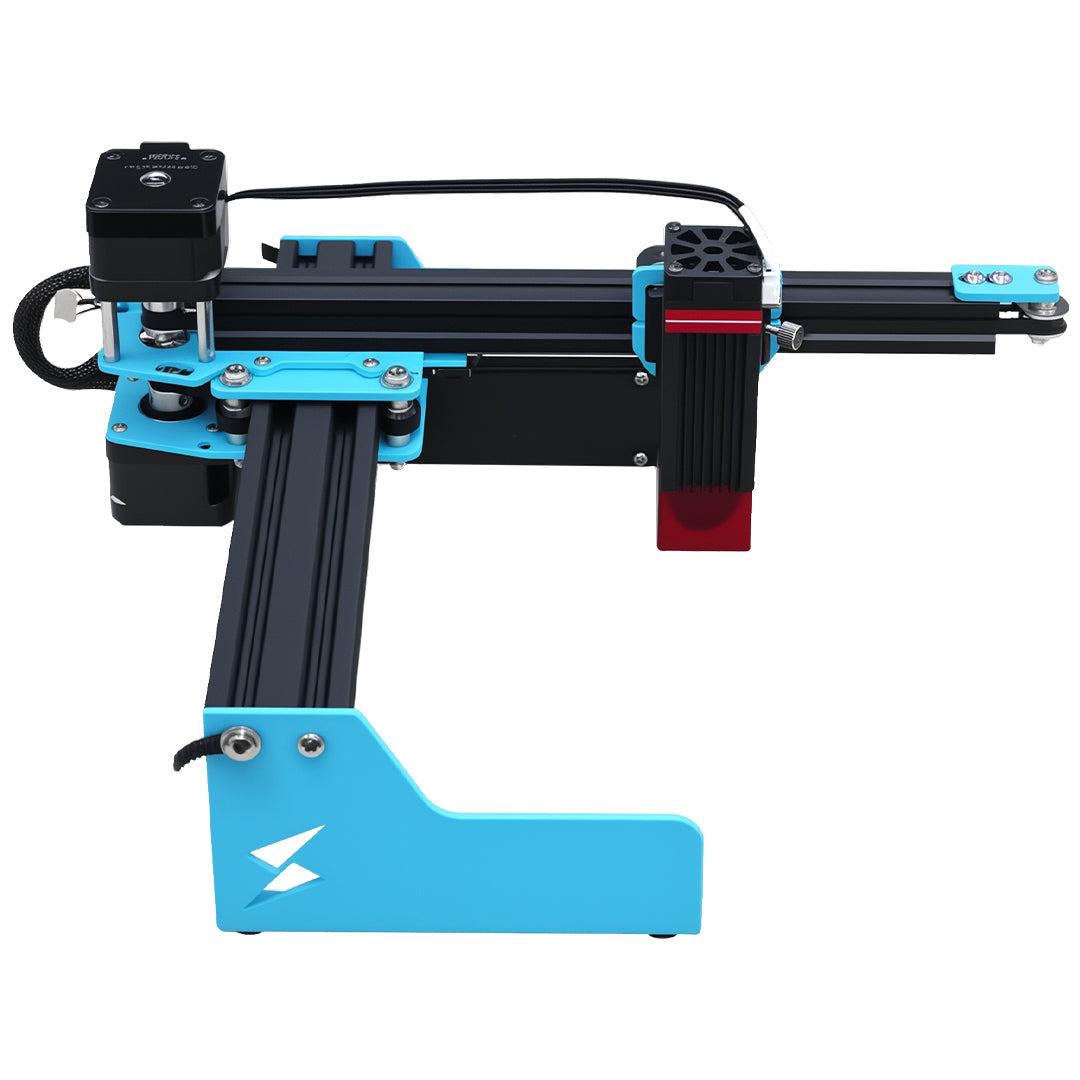


The safest private label laser engraver launch does not customize everything. It customizes the few customer-facing elements that build a credible brand while keeping the proven product platform stable.

In the TYVOK P2 partner program, standard machine branding can include an agreed logo and product name without an additional setup fee for that standard scope. Packaging and software options are reviewed separately. Around 50 units is a starting reference for light customization, while the final quantity depends on the chosen configuration and destination market.
Level 1: Machine branding
Machine branding is the first layer because customers see it throughout product use. The scope may include the approved logo, product name, and selected brand touchpoints.
Before approval, confirm:
- Vector artwork and color references.
- Maximum and minimum logo size.
- Exact placement and orientation.
- Surface process and expected durability.
- Model naming across the machine, box, manual, and software.
- Whether regulatory or technical labels must remain separate.
A logo mockup is not a production approval. Review the branding on a physical sample under normal lighting and handling.
Level 2: Neutral or branded packaging
Premium neutral packaging can give a partner a professional starting point without redesigning every structural component. The program may then add approved local brand labels, inserts, product information, or a deeper packaging treatment.
Packaging decisions affect more than appearance. They can change print quantities, lead time, translation, labeling, warehouse work, and shipping protection. Keep the internal protection system stable unless there is a documented reason to change it.
The packaging brief should identify who provides artwork, who approves claims, which languages are needed, what importer or market information appears, and how version changes are controlled.
Level 3: Documentation and onboarding
Customer-facing documents should use one product name and one support route. Possible elements include quick-start materials, setup guides, safety information, troubleshooting, warranty instructions, and support contacts.
Do not simply replace a logo inside an old manual. Check whether the selected configuration, included accessories, software path, and local responsibilities match the text. The dealer should also decide which questions it will answer locally and which issues move to TYVOK.
Level 4: Software path
“White-label software” can mean very different things. It may refer to neutral branding, a partner logo, localized onboarding, account configuration, device naming, app-store presentation, or a larger product-development scope.
TYVOK states that neutral or white-label software options can be reviewed by cooperation model. That is an invitation to define requirements, not a promise that every layer will be changed.
Confirm the supported operating systems, connection methods, device profile, updates, data handling, account ownership, app distribution, support responsibility, and what happens if the hardware or operating system changes.
Level 5: Product configuration
A partner may need a particular laser module, accessory set, plug type, or packout. These decisions should follow the target customer's work, not a desire to create more SKUs.
Every configuration creates its own claims, test plan, documentation, inventory, spare-parts, and support burden. Start with the smallest product range that covers the main customer application. Expand only after sales and support data show a clear need.
Level 6: Local service and assembly
Local service can be part of the brand promise even when the finished machine comes from TYVOK. A capable partner may later discuss a local assembly path using approved modules, procedures, training, and test methods.
Local assembly is not a cosmetic customization. It changes responsibility for assembly, final quality, delivery, first-line service, and potentially compliance. It should begin only after demand, facilities, technical staff, QA, and warranty handling are proven.
Use a customization decision filter
For every requested change, ask four questions:
- Does the customer notice or benefit from it?
- Does it improve the partner's market position or support experience?
- What quantity, cost, lead-time, test, or compliance burden does it add?
- Can the same result be achieved with a standard platform and better local content or service?
If the customer value is unclear, keep the element standard.
Freeze one scope before requesting a quotation
Prepare a table covering machine branding, product name, packaging, languages, documentation, software, configuration, destination, launch quantity, timing, and support model. Mark each line as required, preferred, or future-phase.
This prevents a light private-label request from turning into an undefined product-development project.
Review the TYVOK P2 OEM and Partner Program, or read the private label laser engraver guide before building the customization brief.
Check the machine before buying
For the material and workflow discussed above, review TYVOK P2 configurations and purchase options after testing the exact project materials and setup.