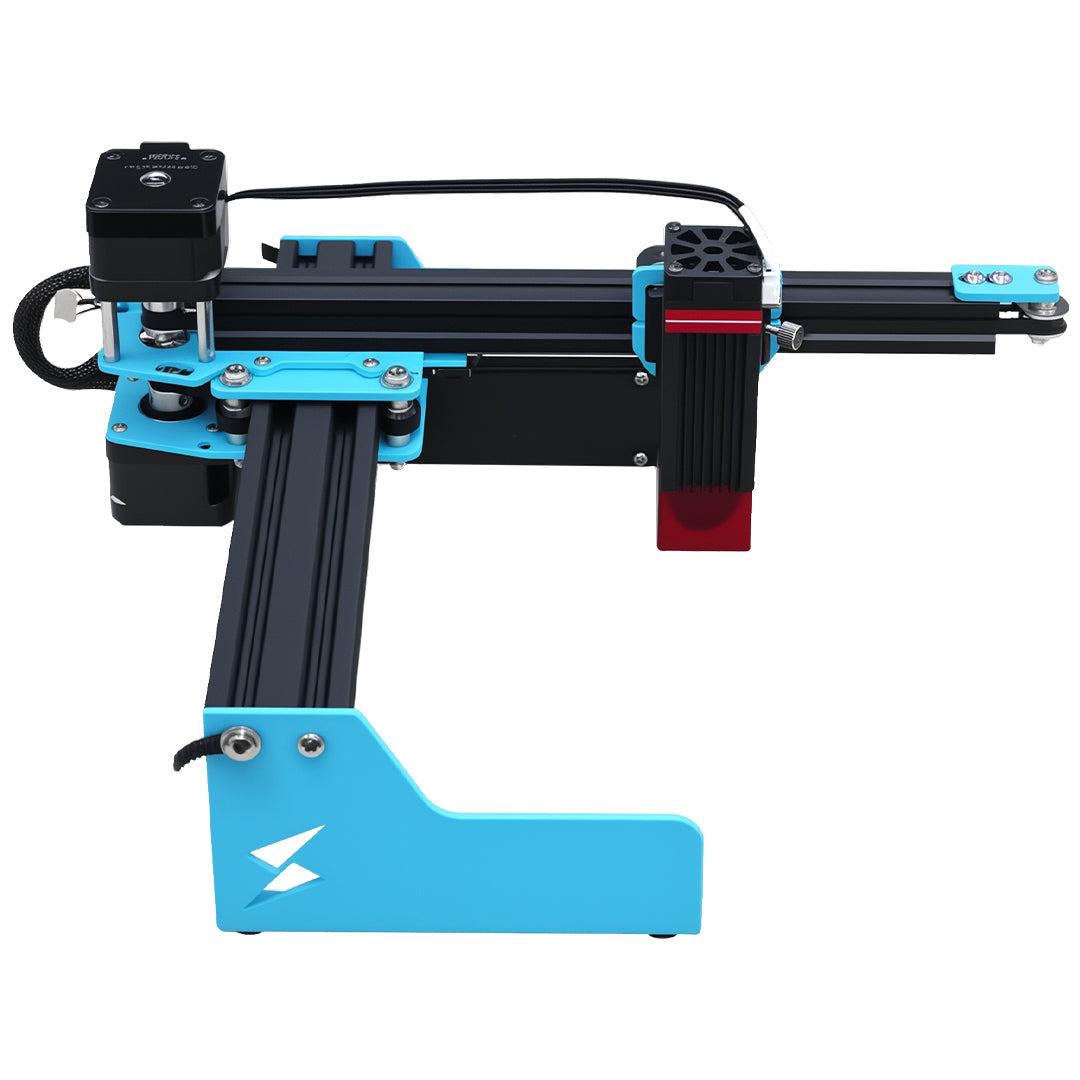


A private label laser engraver sample should answer one commercial question: can this exact product package be sold, supported, and repeated in your market? A successful engraving demo is necessary, but it is not enough. The sample review must cover the machine, branding, packaging, software, documentation, and after-sales path as one customer experience.

TYVOK's P2 OEM path begins with a real test unit before bulk terms are finalized. The partner then confirms the agreed branding scope, quantity, destination requirements, lead time, and support route in writing.
Confirm what kind of sample you are receiving
Do not call every early unit a “final OEM sample.” Record its purpose:
- Standard test unit: validates the base machine and intended customer applications.
- Branding proof: confirms logo size, position, color, model name, and visible touchpoints.
- Packaging proof: checks the box, inserts, labels, accessory layout, and shipping protection.
- Software-path review: validates the agreed customer-facing software and onboarding scope.
- Pre-production approval sample: represents the frozen configuration that production should follow.
If the unit is not a pre-production sample, list every item that remains provisional.
Test the machine against the products you plan to sell
Use representative customer work, not only the easiest demonstration blank. For a compact galvo-style platform, that might include small personalized gifts, coated cards, tags, leather items, or other documented materials suitable for the selected module.
Record the material source, design file, settings, focus method, fixture, job time, cleanup, and finished result. Stop if the material is unknown, produces abnormal smoke or odor, deforms unexpectedly, or is not documented as suitable for the workflow.
The sample does not prove every material claim. It proves only the tested configuration and controlled conditions.
Review every visible brand touchpoint
Inspect the product from the customer's point of view:
| Touchpoint | Approval question |
|---|---|
| Machine | Is the logo correctly sized, positioned, colored, and durable? |
| Product name | Is the model name consistent on the machine, packaging, manual, and software? |
| Packaging | Does the outside look credible and does the inside protect the product? |
| Labels | Are serial, electrical, importer, warning, and destination labels handled correctly? |
| Documentation | Do setup materials use the approved product name and support contacts? |
| Accessories | Does the packout match the quotation and customer promise? |
Photograph the approved unit and packout from fixed angles. These images become part of the production reference.
Walk through the first customer session
Unbox the sample as if no factory engineer is present. Follow the supplied setup materials. Connect the machine, install the agreed software, complete framing or positioning, run a safe test, and locate support information.
Write down every point where a customer could become stuck. A smooth internal demonstration may hide missing drivers, unclear origin settings, untranslated screens, inconsistent naming, or undocumented connection requirements.
If software options are still under review, label them as provisional. Do not print a software promise on the box before the supported path is confirmed.
Test packaging as a shipping system
Packaging approval is not mainly a graphic-design decision. Check product restraint, accessory separation, cable protection, surface protection, drop risk, moisture exposure, and the condition of the box after the expected shipping route.
Confirm who supplies local labels and inserts, where they are applied, and whether a warehouse needs an additional inspection step. A premium-looking package that creates repacking work at every order is not production-ready.
Freeze the support route before approval
The final sample record should identify:
- Who answers first-line customer questions.
- What evidence is required for a technical escalation.
- Which spare parts are available locally.
- How warranty eligibility is checked.
- Who approves replacements or repairs.
- Which software and firmware versions the launch supports.
Do not approve a bulk order while these responsibilities remain an informal chat.
Create a signed approval record
Use one checklist with the product configuration, photos, logo files, packaging version, documentation version, software path, included accessories, destination, unresolved deviations, and responsible approvers. Give every approved artifact a version or date.
Changes after approval should trigger a documented review. A new laser module, control board, power supply, label, packaging structure, or software path may require more than a cosmetic check.
Approve the customer experience, not only the machine
The strongest sample review ends with a repeatable release standard: the delivered unit must match the approved configuration, branding, packout, documentation, and support plan.
Request a P2 sample and OEM plan, and use the private label dealer guide to prepare the brand and commercial side of the review.
Choose a machine for your project
For small personalized gifts and tags, review TYVOK P2 options. For larger wood panels and signs, compare TYVOK X1S 2026 configurations. Test the actual material and project dimensions before buying.