




Best Wood for Laser Engraving: Complete Guide (2026)
If you're new to laser engraving, one of the first questions you'll have is: what wood works best for laser engraving?

The good news is that most types of wood work great with laser engraving. But some woods give you better contrast, cleaner cuts, and more consistent results than others. We've tested dozens of woods to help you pick the best ones for your projects.
What Makes a Good Wood for Laser Engraving?
Before we get into our top recommendations, let's look at what characteristics you should look for:
- Contrast: The engraving should show up clearly against the natural wood color
- Density: Medium density woods generally work best
- Grain: Consistent grain without too many knots
- Moisture content: Properly dried wood works best
- Toxicity: Avoid woods that release toxic fumes when burned
Top 10 Best Woods for Laser Engraving
1. Alder
Alder is one of our top recommendations for beginners. It's inexpensive, readily available, and produces beautiful engravings with good contrast.
- Pros: Affordable, consistent grain, good contrast, easy to cut
- Cons: Can be prone to burning if you go too slow
- Best for: Beginners, practice, most projects
2. Basswood
Basswood is another favorite for laser engraving. It's very soft, easy to cut, and produces clean results.
- Pros: Very easy to cut, clean engravings, consistent
- Cons: Less contrast than some other woods
- Best for: Beginner practice, thin sheets, intricate designs
3. Cherry
Cherry is a beautiful hardwood that produces amazing contrast when engraved. The dark charring really pops against the natural pinkish-brown color.
- Pros: Beautiful natural color, excellent contrast, premium look
- Cons: More expensive than alder or basswood
- Best for: High-end finished products, furniture, gifts
4. Maple
Maple is a hard, dense wood that gives you very clean, precise engravings. It's one of the most popular choices for professional work.
- Pros: Very clean cuts, precise details, durable
- Cons: Harder on your laser, requires more power
- Best for: Cutting boards, functional items, detailed work
5. Walnut
Walnut is another premium hardwood with beautiful dark color. The engraving comes out lighter than the surrounding wood, giving a really unique look.
- Pros: Stunning natural color, unique contrast effect
- Cons: Expensive, can be tricky for beginners
- Best for: High-end products, cutting boards, luxury gifts
6. Birch Plywood
Birch plywood is affordable, readily available in large sheets, and works surprisingly well for laser engraving.
- Pros: Cheap, large sheets available, consistent
- Cons: Some lower-quality plywood has bad layers
- Best for: Large projects, signs, inlays
7. Balsa
Balsa is extremely soft and cuts like butter. Great for really thick projects where you need to cut all the way through.
- Pros: Cuts extremely easily, very lightweight
- Cons: Not very durable, low contrast
- Best for: Model making, prototypes, thick cuts
8. Oak
Oak is a durable hardwood that's popular for furniture and cutting boards. It produces good contrast and holds up well to use.
- Pros: Durable, widely available, good for functional items
- Cons: Gritty can dull bits faster (less of an issue with laser)
- Best for: Cutting boards, furniture, durable items
9. Mahogany
Mahogany is a beautiful tropical hardwood with rich color and grain. It creates stunning premium products.
- Pros: Luxurious appearance, beautiful grain
- Cons: Expensive, can be hard to find
- Best for: High-end furniture, luxury gifts
10. MDF
MDF is inexpensive and very consistent. It's not technically solid wood, but it's widely used in laser engraving.
- Pros: Cheap, super consistent, large sheets
- Cons: Can produce more smoke, contains formaldehyde (work in well-ventilated area)
- Best for: Practice, prototypes, inexpensive projects
Woods to Avoid
Some woods aren't good for laser engraving for various reasons:
- Pressure treated wood: Contains toxic chemicals that release dangerous fumes when burned
- Some tropical woods: Can be extremely dense and hard on your laser
- Plywood with questionable glue: Some cheap glues release toxic fumes
- Very resinous woods: Can create a lot of smoke and mess your lens
Tips for Better Results
- Start with lower power and do a test engraving on a scrap piece first
- Clean your lens regularly — wood creates more smoke than other materials
- Ventilation is important — always work in a well-ventilated area
- Experiment — different woods give different results, so try small scraps first
Getting Started
If you're just getting started with laser engraving, we recommend starting with alder or basswood. They're affordable, forgiving, and give you great results.
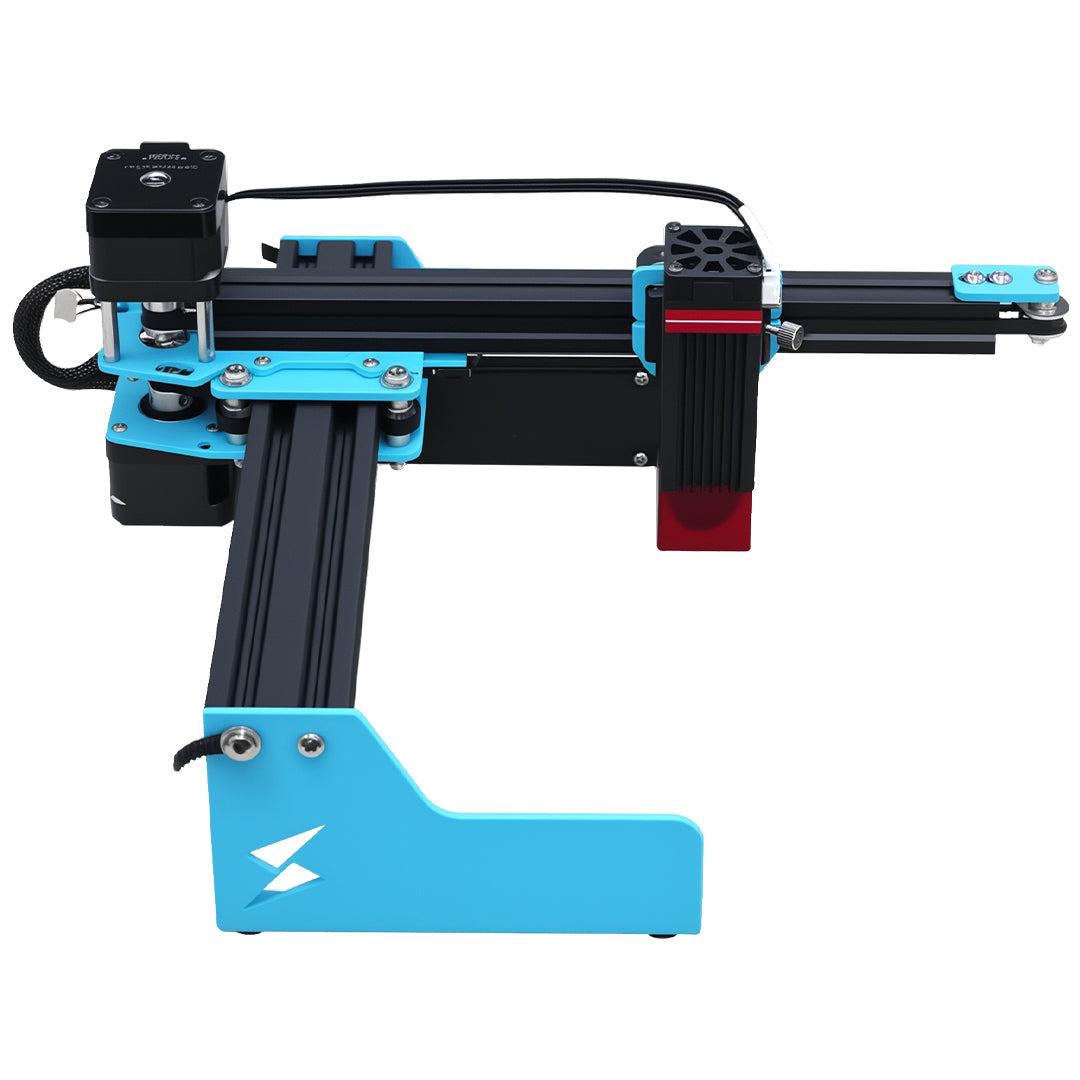
And if you don't already have a galvo laser engraver, check out the Tyvok P2. It's perfect for beginners, affordable, and you can even upgrade your power from 2W to 5W to 10W as you get more experience without replacing the whole machine.
Want to learn more about starting a laser engraving business from home? Read our guide: Can You Make Money With a Galvo Laser Engraver?
Match the machine to the project
After checking the materials and workflow in this guide, review TYVOK P2 purchase options for a current configuration.



)