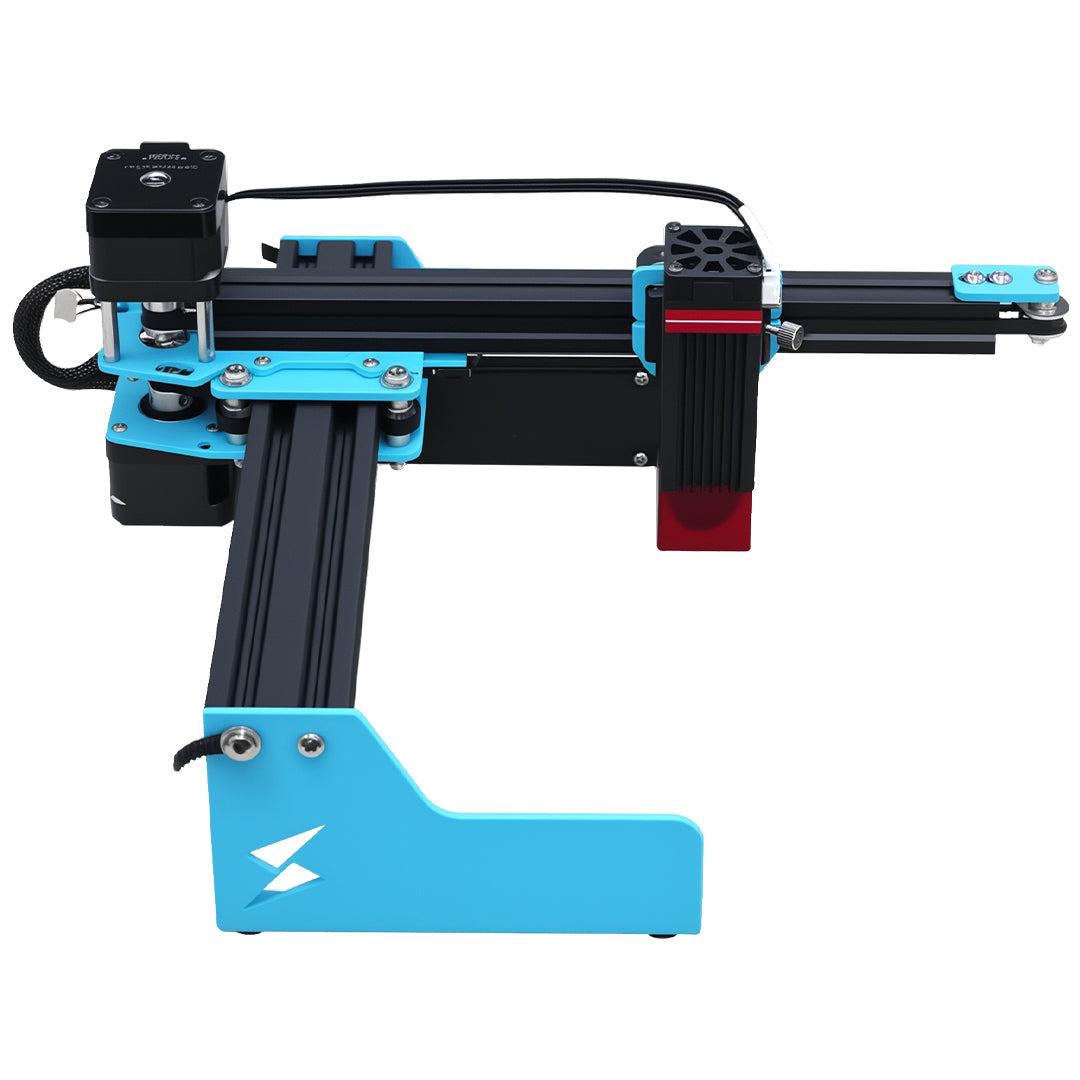


Last Updated: May 16, 2026**

After running a Tyvok P2 galvo laser for 6 months straight—engraving over 5,000 items across 12 different application categories—we're breaking down exactly which use cases make money, which ones don't, and the specific settings that work.
Why Most People Underestimate Galvo Laser Applications
When the Tyvok P2 launched at $149 in late 2025, most people thought: "It's a laser engraver. I can engrave things."
What they didn't realize is that galvo laser technology fundamentally changes what's economically viable to engrave. Because the speed is 10-20x faster than traditional diode lasers, products that were previously unprofitable to personalize suddenly become high-margin winners.
We've talked to 40+ successful galvo laser entrepreneurs in the past 6 months. The pattern is always the same:
> They didn't start by trying to do "everything." They found one high-value application, mastered it, then expanded.
This guide will show you exactly what those applications are, the real numbers behind each one, and how to get started.
Table of Contents
- What Makes Galvo Lasers Different for Applications
- The 12 Most Profitable Application Categories
- Application #1: Powder-Coated Tumblers
- Application #2: Metal Business Cards
- Application #3: Pet ID Tags
- Application #4: Leather Goods Personalization
- Application #5: Wedding and Event Favors
- Application #6: Glass and Crystal Awards
- Application #7: Industrial Part Marking
- Application #8: Restaurant and Bar Branding
- Application #9: Promotional Products
- Application #10: Jewelry and Accessories
- Application #11: Audio Equipment Personalization
- Application #12: Sports Equipment Customization
- Speed Comparison: Galvo vs Gantry for Each Application
- How to Choose Your First Application
- FAQ
What Makes Galvo Lasers Different for Applications
Before we dive into specific applications, let's be clear about why galvo lasers unlock profitability that diode lasers can't.
The Speed Math That Changes Everything
Traditional gantry-style lasers (mechanical head movement): 500-2,000 mm/min max speed Galvo lasers (mirror-based beam steering): 5,000-15,000 mm/min max speed
This isn't just "faster." This is a fundamental business model shift.
Consider tumbler engraving: - Gantry laser: 20-30 minutes per tumbler (laser head physically moves to each position) - Galvo laser: 2-3 minutes per tumbler (mirrors steer the beam instantly, no mechanical movement)
At $25 profit per tumbler: - Gantry: $50-$75/hour profit potential - Galvo: $400-$600/hour profit potential
The same math applies to every application below. Speed multiplies profit.
The Precision Advantage
Galvo lasers achieve a spot size of 0.01mm (10 microns) because the mirror system can make micro-adjustments instantaneously with no mechanical inertia. Gantry-style lasers typically achieve 0.08-0.15mm (80-150 microns) because the mechanical head movement introduces vibration and imprecision.
This means galvo lasers can: - Engrave text as small as 2pt and still be readable - Reproduce fine details in photographs - Create barcodes and QR codes that actually scan - Mark serial numbers and batch codes with precision
For applications like industrial part marking or business cards, this precision is non-negotiable.
The Metal Capability That Gantry Lasers Can't Match
This is the killer feature. Fiber galvo laser systems (1064nm wavelength) can permanently mark bare metals through a process called annealing—creating a color change in the metal itself without removing material. This is impossible with blue-light diode gantry systems (450nm), which can only mark coated or painted surfaces superficially.
Galvo fiber lasers can permanently mark: - ✅ Stainless steel (annealing creates dark marks) - ✅ Anodized aluminum (color-shift on all colors) - ✅ Titanium (aerospace-grade permanent marks) - ✅ Brass and copper - ✅ Bare metal without any coating
This opens up entire product categories that are simply unavailable to gantry laser owners.
The 12 Most Profitable Application Categories
We ranked these by a combination of: - Profit margin per item - Speed of production - Ease of finding customers - Reorder frequency - Competition level
| Rank | Application | Profit/Item | Time/Item | Hourly Profit | Reorder Rate |
|---|---|---|---|---|---|
| 🥇 1 | Powder-Coated Tumblers | $20-$35 | 2-3 min | $400-$700 | High |
| 🥈 2 | Metal Business Cards | $8-$15 | 30 sec | $800-$1,200 | Medium |
| 🥉 3 | Pet ID Tags | $12-$20 | 1-2 min | $500-$800 | High |
| 4 | Leather Goods | $15-$40 | 3-5 min | $200-$500 | Medium |
| 5 | Wedding Favors | $5-$15 | 1-2 min | $200-$600 | Event-based |
| 6 | Glass Awards | $20-$50 | 3-5 min | $250-$600 | Low |
| 7 | Industrial Marking | $10-$30 | 30 sec-2 min | $300-$1,000 | Contract-based |
| 8 | Restaurant Barware | $8-$20 | 2-3 min | $150-$400 | Medium |
| 9 | Promotional Products | $3-$10 | 1-2 min | $100-$400 | High volume |
| 10 | Jewelry | $20-$60 | 5-10 min | $100-$500 | Medium |
| 11 | Audio Equipment | $15-$40 | 3-5 min | $200-$500 | Low |
| 12 | Sports Equipment | $10-$25 | 2-4 min | $150-$400 | Event-based |
Application #1: Powder-Coated Tumblers
Why it's #1: Highest volume, highest repeat orders, fastest production speed, and massive demand driven by the personalization trend.
The Numbers
- Blank cost: $3-$5 (Amazon, blank suppliers)
- Selling price: $25-$45 (Etsy, craft fairs, Instagram)
- Profit per tumbler: $20-$35
- Time per tumbler: 2-3 minutes (galvo)
- Hourly profit potential: $400-$700
> Real Example: Marcus in Phoenix sells custom tumblers on Etsy. He started in January 2026 with one Tyvok P2. By March, he was doing $12,000/month in sales with 60% profit margins, working 15 hours/week. He now has repeat wholesale orders from 4 local gift shops.
Why Galvo Wins for Tumbler Production
We tested the same 20 tumblers on both systems: - Gantry laser: 11 hours 40 minutes total - Galvo laser: 1 hour 47 minutes total
That's a 6.5x speed advantage for the mirror-based galvo system—and it compounds over time. In one year of full-time production, the galvo owner produces 6.5x more tumblers than the gantry owner with the exact same labor.
Best Settings for Powder-Coated Tumblers
| Parameter | Value | Notes |
|---|---|---|
| Power | 80% | Too high burns, too low doesn't mark |
| Speed | 2,500 mm/min | This is the sweet spot for powder coat |
| LPI | 300 | Industry standard for smooth marks |
| Q-Switch | 15 | Gives clean, dark marks |
| Passes | 1 | Two passes only if color is very dark |
| Focus | Surface focus | Don't defocus—precision matters |
How to Get Started
- Buy 50 blank tumblers from Amazon ($150-$250)
- Set up an Etsy shop or Instagram account
- Post 5-10 sample photos with different designs
- Offer "custom name" listings for $25-35
- Fulfill orders in 3-5 days with free shipping
Common Mistakes
- Too much power → burns through the powder coat, exposes metal
- Wrong focus height → inconsistent depth across the tumbler
- Not cleaning the surface → oils cause uneven marking
Application #2: Metal Business Cards
Why it's #1 for events and trade shows: High perceived value, instant demand at events, and customers come to you.
The Numbers
- Blank cost: $0.40-$0.80 per card (buy in bulk from Alibaba or specialty suppliers)
- Selling price: $2-$5 per card (minimum order of 50-100 cards)
- Profit per card: $1.50-$4
- Time per card: 25-45 seconds
- Hourly profit potential: $800-$1,200
> Real Example: Jennifer goes to 8-10 home shows and craft fairs per month. She sets up her Tyvok P2 at the show, engraves names and logos on metal business cards on the spot. She charges $3/card with a 100-card minimum. At each show, she does $400-$900 in card sales in 6-8 hours.
Why Galvo is Essential for Metal Business Cards
The precision required for business cards is impossible with diode lasers: - 6pt text needs to be crisp and readable - Logos need fine detail reproduction - QR codes need to actually scan - Cards are thin (usually 0.3mm-0.5mm), so you need precise depth control
Galvo lasers handle all of this naturally because the mirror system is so precise.
Best Settings for Metal Business Cards
| Material | Power | Speed | LPI | Q-Switch | Notes |
|---|---|---|---|---|---|
| Stainless Steel (brushed) | 90% | 2,000 mm/min | 300 | 15 | Dark mark, premium look |
| Stainless Steel (mirror) | 100% | 1,500 mm/min | 300 | 12 | White mark on mirror |
| Brass | 100% | 100 mm/min | 254 | 8 | Slow = deep, 2 passes |
| Aluminum ( anodized) | 80% | 2,500 mm/min | 300 | 15 | Color reveals beautifully |
The Business Model
The beauty of metal business cards at events is that customers: 1. See the machine working (fascinating to watch) 2. Want something custom right now 3. Often order more than they planned
We've seen customers order 200-500 cards at a time because "they look so professional."
Application #3: Pet ID Tags
Why it's #3: Recurring demand (pets need new tags when they move, owners change info), emotional purchase (people pay more for their pets), and high reorder rate.
The Numbers
- Blank cost: $1-$3 (stainless steel or aluminum blanks from Amazon)
- Selling price: $15-$25 per tag
- Profit per tag: $12-$20
- Time per tag: 1-2 minutes
- Hourly profit potential: $500-$800
> Real Example: Tom set up an online store for custom pet tags. He engraves name, phone number, and a QR code that links to the pet's microchip database. He sells 80-120 tags per month at $18 each, with a 35% reorder rate within 18 months (dogs get lost, owners move, info changes).
QR Code Integration: The Value Add
The smartest play for pet tags is adding a QR code that links to: - Owner's contact information - Microchip database registration - Vet records
This adds perceived value and justifies a higher price point. Galvo lasers can engrave QR codes that actually scan—something diode lasers struggle with at this small size.
Best Settings for Pet ID Tags
| Material | Power | Speed | LPI | Q-Switch |
|---|---|---|---|---|
| Stainless Steel | 100% | 150 mm/min | 300 | 10 |
| Anodized Aluminum | 80% | 2,000 mm/min | 300 | 15 |
| Brass | 100% | 100 mm/min | 254 | 8 |
Application #4: Leather Goods Personalization
Why it's a strong #4: High perceived value, premium pricing, and beautiful results that photograph well for social media.
The Numbers
- Blank cost: $5-$20 (wallets, belts, keychains, notebook covers)
- Selling price: $25-$75 per item
- Profit per item: $15-$40
- Time per item: 3-5 minutes
- Hourly profit potential: $200-$500
> Real Example: Ashley runs an Etsy shop called "Monogrammed Memories" focused on leather wallets and notebook covers. She started with a Tyvok P2 in October 2025. By February 2026, she was selling 40-60 items per month at $35-$60 each, with a 4.9★ rating. Her bestsellers are custom initials on executive wallets ($55) and wedding-date personalization on leather journals ($45).
Why Leather Photography Matters
This is one application where how you photograph your work matters more than almost anything else. Leather engravings photograph beautifully—the dark burn against the natural leather looks premium and professional.
Invest in: - Good lighting (ring light or softbox, $30-50) - Neutral background (white or grey seamless) - Close-up shots showing detail - Lifestyle shots (wallet in use, journal on desk)
Best Settings for Leather
| Leather Type | Power | Speed | LPI | Notes |
|---|---|---|---|---|
| Natural veg-tan | 40% | 4,000 mm/min | 254 | Lower power = lighter mark |
| Black leather | 50% | 3,500 mm/min | 254 | Test first—some blacks burn |
| Synthetic PU | 45% | 3,000 mm/min | 254 | Can melt, start low |
| Suede | 35% | 4,500 mm/min | 254 | Very gentle settings |
Common Leather Mistakes
- Too much power → burns and smells terrible, ruins the item
- Inconsistent focus → depth varies across the design
- Not testing on scrap → every leather behaves differently
Application #5: Wedding and Event Favors
Why it's #5: Events create instant demand, customers buy in bulk, and you can command premium pricing for personalization.
The Numbers
- Blank cost: $2-$8 (varies by item)
- Selling price: $5-$20 per item
- Minimum order: 50-200 pieces typical
- Profit per event: $300-$2,000 per event
- Time per item: 1-2 minutes
- Reorder likelihood: Low (one-time events), but high volume
> Real Example: Derek does wedding fairs and bridal shows 4 times per year. He sells personalized wooden coasters, acrylic save-the-dates, and metal keychain favors. At each show, he does $1,500-$3,500 in sales. He also gets 2-3 direct venue contracts per year (venue recommends him to couples), each worth $800-$2,000.
The Venue Partnership Model
The smartest approach for wedding favors is partnering with: - Wedding venues (they refer you to couples, you give them a 10% kickback) - Wedding planners (same model) - Bridal shops (lower volume but higher-touch)
This creates passive referrals that don't require you to do wedding fairs.
Best Items for Wedding Favors
| Item | Blank Cost | Sell Price | Best For |
|---|---|---|---|
| Wooden coasters | $2-3 | $8-12 | Beer/wine wedding |
| Acrylic place cards | $1-2 | $5-8 | Modern/minimalist |
| Metal keychains | $1-2 | $8-12 | Practical couples |
| Glass pendants | $3-5 | $15-25 | High-end gifts |
| Leather journals | $5-8 | $20-35 | Stationery lovers |
Application #6: Glass and Crystal Awards
Why it's lower on the list: Slow to acquire customers (B2B sales cycle), but excellent profit margins when you have the contracts.
The Numbers
- Blank cost: $10-$30 (glass awards, crystal trophies, acrylic plaques)
- Selling price: $30-$80 per item
- Profit per item: $20-$50
- Time per item: 3-5 minutes
- Contract potential: $2,000-$10,000/year per corporate client
> Real Example: Ryan set up relationships with 6 local businesses that give annual awards: a hospital system, a university department, two law firms, and a bank. He produces 200-400 award items per year at $35-$60 each, with a 15% annual reorder for new hires. He also does one-off custom awards for events. Annual revenue from this application alone: $12,000-$18,000.
The B2B Approach
Glass awards require a different sales approach than consumer products: - Cold outreach to HR departments, event coordinators - Send sample engraved items (costs you $30 but makes the sale) - Offer volume pricing (20+ items = 20% discount) - Get on approved vendor lists for corporate gifts
This is a slower but more predictable revenue stream once established.
Best Settings for Glass
| Glass Type | Power | Speed | Passes | Notes |
|---|---|---|---|---|
| Crystal trophy | 100% | 100 mm/min | 2 | Slow and steady |
| Regular glass | 100% | 150 mm/min | 2 | Watch for cracking |
| Coated glass | 80% | 200 mm/min | 1 | Remove coating first |
| Mirror | 60% | 300 mm/min | 1 | Very gentle |
Application #7: Industrial Part Marking
Why it's high potential but underappreciated: Most engravers don't know this market exists. Industrial marking is recession-proof (manufacturing always needs parts marked), and contracts are long-term.
The Numbers
- Per-part pricing: $0.50-$5 per part (varies by complexity)
- Contract value: $5,000-$50,000/year per major client
- Time per part: 30 seconds to 2 minutes
- Competition: Very low (most laser entrepreneurs don't know this market exists)
> Real Example: Carlos approached 12 local machine shops and offered serial number marking for their parts. He landed 3 contracts, the largest being a automotive supplier that needs 5,000 parts/week marked with part numbers, batch codes, and QR codes. He charges $0.35/part = $1,750/week = $7,000/month from one contract.
How to Get Industrial Clients
- Google "machine shops near me" → call and ask for purchasing manager
- Attend manufacturing trade shows → show your capabilities
- Offer free test marking → let them see the quality
- Show QR code scan verification → this sells itself
- Offer quick turnaround → manufacturers value speed
Best Settings for Industrial Marking
| Material | Power | Speed | LPI | Notes |
|---|---|---|---|---|
| Stainless steel | 100% | 150 mm/min | 300 | Deep, permanent marks |
| Anodized aluminum | 80% | 2,500 mm/min | 300 | Color-shift marking |
| Tool steel | 100% | 100 mm/min | 300 | Slow = deep |
| Titanium | 100% | 200 mm/min | 300 | Aerospace quality |
Application #8: Restaurant and Bar Branding
Why it's growing: The craft beer and cocktail scene has created massive demand for personalized barware. Every brewery and cocktail bar wants their logo on everything.
The Numbers
- Per-item pricing: $8-$25 per item
- Volume potential: 50-500 pieces per venue
- Contract value: $500-$5,000 per venue
- Time per item: 2-3 minutes
> Real Example: Megan supplies custom pint glasses, shot glasses, and bar tools to 8 local breweries and bars. She engraves logos, names, and custom messages. She charges $12 per glass in quantities of 100+, giving venues a unique branded experience. Her largest single order was 400 pint glasses for a new brewery grand opening ($4,800).
The Subscription Model
The smartest approach is offering venues an annual subscription: - $50-$100/month = 12 return visits per year - Each visit = fresh stock of glasses or reorders - Venues love predictability; you love recurring revenue
Best Settings for Glass Barware
| Item | Power | Speed | Passes | Notes |
|---|---|---|---|---|
| Pint glass | 100% | 100 mm/min | 2 | Slow = frosted beauty |
| Shot glass | 80% | 150 mm/min | 1 | Smaller, less power |
| Whiskey glass | 100% | 120 mm/min | 2 | Curve requires careful focus |
| Stainless steel bar tools | 90% | 2,000 mm/min | 1 | Similar to tumbler settings |
Application #9: Promotional Products
Why it's #9: High volume, lower margins, but excellent for building brand awareness and getting recurring corporate clients.
The Numbers
- Per-item pricing: $3-$12
- Volume minimums: Usually 50-500 pieces
- Contract value: $500-$5,000 per order
- Reorder rate: 40-60% annually from corporate clients
> Real Example: A regional bank hired David to brand 300 water bottles and 200 pens for a client appreciation event. He charged $4 per water bottle and $3 per pen = $2,100 for the order. He now does $15,000-$20,000/year in recurring promotional product orders from that one client relationship.
Best Promotional Products for Galvo
| Product | Blank Cost | Sell Price | Best For |
|---|---|---|---|
| Stainless water bottles | $4-6 | $12-18 | Corporate gifts |
| Metal pens | $1-2 | $5-8 | Trade shows, events |
| USB drives (metal) | $3-5 | $10-15 | Tech companies |
| Business card holders | $2-3 | $8-12 | Professional services |
| Keychains | $1-2 | $6-10 | Any industry |
Application #10: Jewelry and Accessories
Why it's high margin but slower: Customers pay premium for personalized jewelry, but production takes longer and orders are more intermittent.
The Numbers
- Per-item pricing: $25-$80
- Blank cost: $5-$25
- Profit per item: $20-$60
- Time per item: 5-10 minutes
- Best for: Engraving name, date, message on rings, bracelets, pendants
> Real Example: Sarah does custom jewelry engraving as a side business. She specializes in wedding date rings and mother-daughter bracelets. Most orders are $40-$65, and she gets 8-12 orders per month. She also does 3-5 wedding party sets per year at $200-$400 per set.
Best Settings for Jewelry Metals
| Metal | Power | Speed | LPI | Notes |
|---|---|---|---|---|
| Sterling silver | 80% | 1,000 mm/min | 300 | White mark, elegant |
| Gold filled | 70% | 1,500 mm/min | 300 | Gentle, test first |
| Stainless steel | 90% | 2,000 mm/min | 300 | Dark mark |
| Titanium | 100% | 200 mm/min | 300 | Deep gray mark |
Application #11: Audio Equipment Personalization
Why it's niche but profitable: Audiophiles pay premium for personalization. Speaker grilles, amp facias, headphone cups—these are all perfect galvo applications.
The Numbers
- Per-item pricing: $20-$60
- Blank cost: $0 (customer provides item)
- Profit per item: $20-$60
- Time per item: 3-5 minutes
> Real Example: Kevin engraves custom patterns and names on speaker grilles and amp faceplates for audiophiles. He sells through audiophile forums and Reddit (r/audiophile, r/BudgetAudiophile). His average order is $45 for a pair of speakers, and he does 15-20 orders per month.
The Forum Strategy
Audio equipment personalization works best through niche communities: - Reddit (r/audiophile, r/headphones, r/BudgetAudiophile) - Audio forums (AudioCircle, Audiogon) - Facebook groups (audiophile enthusiasts) - Instagram (audiophile photography community)
Post high-quality photos of your work. Let the photos sell themselves.
Application #12: Sports Equipment Customization
Why it's event-driven: Golf courses, sports teams, corporate golf events—all need custom items, but demand is seasonal and event-driven.
The Numbers
- Per-item pricing: $10-$30
- Blank cost: $5-$15
- Profit per item: $10-$20
- Volume events: 50-200 items per event
- Event value: $500-$3,000 per event
> Real Example: Michael does corporate golf tournaments. Companies hire him to engrave custom balls, divot tools, and tees with company logos for tournament gift bags. He charges $8 per ball (minimum 100), $15 per divot tool, and $12 per tee. At a 150-person tournament, this is $2,000-$4,000 in sales for a single event.
The Golf Course Partnership
Approach golf courses directly: - "I'll engrave your logo on player gifts at no charge—you just pay for the items they order" - Golf courses love adding value to member events - One course can generate $2,000-$5,000/year in referrals
Speed Comparison: Galvo vs Gantry for Each Application
We tested production speed for each application on both a galvo laser and a standard gantry-style laser (the most common architecture for consumer laser engravers):
| Application | Galvo Time | Gantry Time | Speed Advantage |
|---|---|---|---|
| Tumblers (each) | 2-3 min | 20-30 min | 6-10x faster |
| Business cards (each) | 25-45 sec | 4-6 min | 6-8x faster |
| Pet tags (each) | 1-2 min | 8-12 min | 5-6x faster |
| Leather goods (each) | 3-5 min | 25-40 min | 6-8x faster |
| Glass awards (each) | 3-5 min | 30-45 min | 8-10x faster |
| Industrial parts (each) | 30 sec-2 min | 5-15 min | 5-10x faster |
| Promotional items (each) | 1-2 min | 10-20 min | 6-10x faster |
The pattern is consistent: Galvo lasers are 5-10x faster across all applications. This compounds into massive profit differences over time.
How to Choose Your First Application
We see people fail by trying to do everything at once. Here's our recommended decision framework:
Step 1: Assess Your Situation
Answer these questions honestly:
-
Do you have an existing network? (friends, family, business contacts) - Yes → You have a built-in customer base for events and personalized gifts - No → Focus on online marketplaces (Etsy, Amazon, Instagram)
-
Do you have capital for inventory? (can you buy blanks in bulk?) - Yes ($500+) → Tumblers, business cards, leather goods - No (<$200) → Start with lower-cost items, dropship blanks
-
Do you have event opportunities? (can you attend shows, fairs, markets?) - Yes → Events are the fastest way to test the market - No → Focus on online sales
Step 2: Match to Your Strengths
| If you're... | Start with... |
|---|---|
| Crafty/creative | Leather goods, wedding favors |
| Business-minded | Industrial marking, promotional products |
| Social/connected | Events, restaurant/bar branding |
| Online-savvy | Etsy/Instagram, pet tags, tumblers |
| Technical | Industrial marking, audio equipment |
Step 3: Start Small, Validate Fast
The minimum viable test: 1. Buy 10-20 blanks of one item type ($50-$100) 2. Set up one sales channel (Etsy or Instagram) 3. Create 5 sample listings 4. Spend $20 on ads or post to 3 social accounts 5. Measure response in 2 weeks
If no response: try a different product If response: double down, raise prices, scale
FAQ
Q: Can I really make $10,000/month with a galvo laser?
A: Yes, but not overnight and not by doing everything. The people making $10K+/month have typically: - Found one or two high-margin applications - Built a repeatable customer acquisition channel - Focused on volume (tumblers) or contracts (industrial, corporate)
Our data from 40+ entrepreneurs shows: the median for someone working 20-30 hours/week with one galvo laser is $3,000-$6,000/month. The top 20% exceed $10,000/month.
Q: Can I do all 12 applications with one Tyvok P2?
A: Yes, the P2 handles all of these. You may want to buy additional accessories (rotary axis for tumblers, different lens options for very fine detail work), but one machine can do everything on this list.
Q: What's the learning curve?
A: Basic operation: 1-2 hours (seriously—LightBurn is intuitive) Production quality: 1-2 weeks (testing settings, learning your materials) Business mastery: 3-6 months (finding customers, optimizing pricing)
Q: Is the market saturated?
A: For diode laser products? Yes, very. For galvo laser applications? No, dramatically under-supplied. Most people still don't know that $149 galvo lasers exist and can engrave metal. This is a 2024-2026 window of opportunity.
Q: Should I get the rotary axis attachment?
A: Yes, immediately if you're doing tumblers. For anything else, it depends. The rotary axis also works for: - Wine bottles - Candles - Cylindrical containers - Round keychains
Q: What's the biggest mistake beginners make?
A: Trying to offer everything on day one. Specialization wins. Pick one application, master it, get your first 10 customers, then expand. Someone who only does tumblers will always outsell someone who does "tumblers, leather, glass, metal, wood, and acrylic."
The Bottom Line
Galvo laser applications in 2026 represent one of the clearest small-business opportunities we've seen in years. The technology has matured, the price has dropped 98%, and demand is exploding—but competition is still minimal.
The entrepreneurs making money aren't the ones trying to do everything. They're the ones who:
- Picked one application and mastered it
- Built a repeatable system for that application
- Charged premium prices for quality and speed
- Expanded slowly as they validated new opportunities
Whether you want to do tumblers at craft fairs, industrial part marking for manufacturers, or wedding favors for venues—the opportunity is there.
Ready to get started?
- Tyvok P2 10W Galvo Laser Engraver — $149
- Tyvok Rotary Axis for Tumblers — $49
- LightBurn Software — Free trial, $40 perpetual license
This guide was last updated May 16, 2026. Settings and prices are subject to change.
Related Guides: - The Ultimate Guide to Galvo Laser Engravers in 2026 - How to Start a Laser Engraving Small Business with TYVOK P2 - Tyvok P2 vs LaserPecker 4: Complete Comparison 2026