

How to Laser Engrave Leather: A Beginner's Guide to Settings, Techniques, and Finishing
You've seen those stunning, personalized leather wallets, journals, and keychains with crisp, detailed designs and wondered, "How can I do that?" Laser engraving leather unlocks a world of creative possibilities, transforming simple hides into bespoke works of art. But if you're new to it, the process can seem intimidating. How do you avoid burning the leather? What settings should you use? This guide will walk you through everything you need to know to start laser engraving leather with confidence, from choosing the right material to mastering the perfect finish.

Why Laser Engrave Leather?
Before we dive into the "how," let's talk about the "why." Laser engraving offers distinct advantages for working with leather. Unlike traditional tooling, a laser provides unparalleled precision, allowing for incredibly intricate designs, fine text, and photorealistic images that would be nearly impossible by hand. It's a non-contact process, meaning there's no physical pressure on the material, which is great for delicate or thin pieces. Once you have your design file and settings dialed in, the process is highly repeatable, perfect for creating small batches of personalized items. Whether you're a hobbyist looking to customize gifts or an entrepreneur starting a small business, laser engraving leather opens up a lucrative and satisfying creative avenue.
Choosing the Right Leather for Laser Engraving
Not all leather is created equal, especially when it comes to laser engraving. Your results will depend heavily on your material choice.
Vegetable-Tanned Leather: The Gold Standard
This is the premier choice for laser engraving. Vegetable-tanned leather uses natural tannins, resulting in a firm, natural-colored hide. When lasered, it produces a beautiful, clean contrast—typically a dark brown or black mark against the lighter natural background. It's predictable, consistent, and perfect for deep engraving, debossing, and cutting.
Chrome-Tanned Leather: Proceed with Caution
Common in garments, bags, and car interiors, chrome-tanned leather is softer and more pliable. It can be engraved, but it often produces a less consistent mark and can release harmful fumes (containing chromium) when lasered. Always ensure superb ventilation if working with chrome-tanned leather. The result is usually a lighter, sometimes grayish engraving.
Key Characteristics to Look For:
- Unfinished/Natural Surface: Avoid heavily painted, pigmented, or sealed leathers. The laser needs to interact with the raw leather fibers. Look for "aniline" or "semi-aniline" dyed leather where the color penetrates the hide.
- Consistent Thickness: This ensures even engraving depth.
- Light Color for Best Contrast: Natural tans, browns, and creams show engraved details best. While you can engrave black leather, it requires a different technique (often surface etching to reveal the lighter layer beneath).
Your Laser Engraver: Types and Recommendations
You can engrave leather with both Diode and CO2 lasers, but they behave differently.
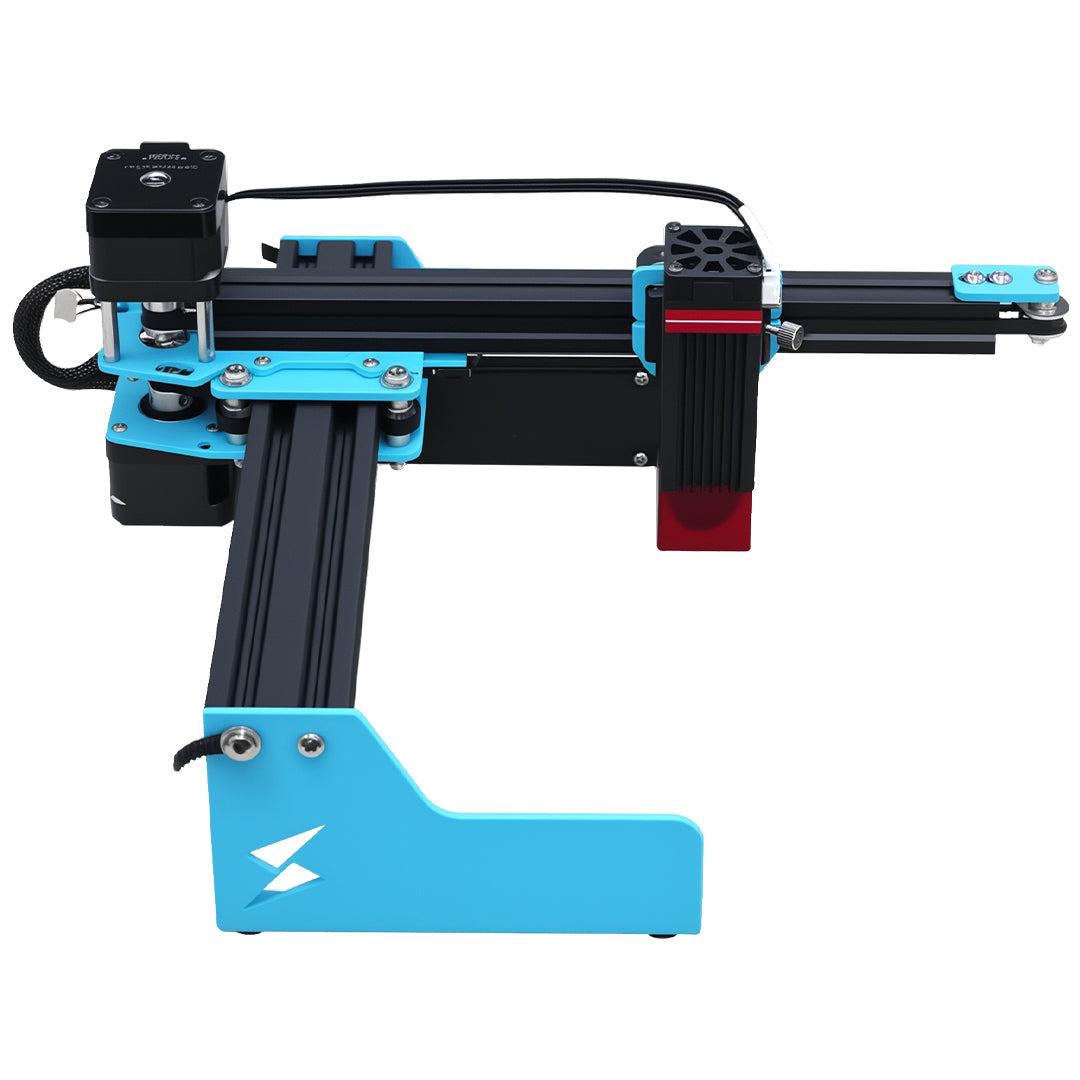
- Diode Lasers (like the Tyvok A1 Mini): These are great entry points. They excel at surface engraving and marking, creating beautiful, crisp designs on leather. They are more affordable and compact. For deep engraving or cutting thick leather, they are slower than CO2 lasers but absolutely capable for most beginner and hobbyist projects like cardholders, bookmarks, and key fobs.
- CO2 Lasers (like the Tyvok K1): The traditional powerhouse for leatherwork. CO2 lasers are faster, can cut through thicker leather effortlessly, and provide exceptional control over engraving depth. They are ideal for high-volume projects, deep debossing, and cutting out complex shapes.
- Galvo Fiber Lasers (like the Tyvok P2 10W): These are speed demons. Galvo lasers are incredibly fast for surface marking and engraving, making them fantastic for production environments. They create a very clean, often lighter-colored mark on leather and are exceptionally precise.
For a beginner, a diode laser like the Tyvok A1 Mini is a fantastic, low-commitment way to learn the ropes. As your skills and business grow, stepping up to a Tyvok K1 CO2 laser offers unparalleled versatility for leather and countless other materials.
Mastering Laser Settings: The Key to Success
This is the heart of the process. Settings vary by machine, leather type, and desired effect. Always, always run material tests on a scrap piece from the same hide.
Core Settings Explained:
- Power (%): Controls the intensity of the laser beam. Higher power burns deeper/darker.
- Speed (mm/s): How fast the laser head moves. Lower speed = more exposure time = deeper/darker engraving.
- Passes: The number of times the laser repeats the design. Multiple passes at lower power can sometimes create a cleaner, deeper result than one high-power pass.
Sample Starting Point (for a 10W Diode Laser on Veg-Tan):
- Light Surface Engrave (Brown Mark): 60% Power, 200 mm/s, 1 Pass
- Deep Engrave/Deboss (Black Mark): 85% Power, 100 mm/s, 2 Passes
- Kiss-Cut (through thin leather): 100% Power, 15 mm/s, 2-3 Passes
For a CO2 laser (like a 40W K1): * Surface Engrave: 15% Power, 300 mm/s, 1 Pass * Deep Deboss: 25% Power, 150 mm/s, 1 Pass * Cutting (3mm leather): 50% Power, 20 mm/s, 1 Pass
These are starting points only. TEST FIRST.
Essential Techniques for Flawless Results
1. Engraving Without Burning
The dreaded scorch or burnt smell is a common beginner hurdle. Here’s how to avoid it: * Use Lower Power & Multiple Passes: This is the single best tip. It gives the material time to dissipate heat between passes. * Increase Speed: A faster-moving laser spends less time burning any single spot. * Apply Masking Tape: Apply a layer of painter's or transfer tape to the leather surface before engraving. It protects the surface from scorch marks and smoke residue. Peel it off after engraving to reveal a clean, smoke-free result. * Ensure Perfect Focus: A defocused beam spreads energy and creates charring. * Use Air Assist: A constant stream of compressed air blows away flames and smoke, keeping the engraving area cooler and cleaner. This is a critical feature on machines like the Tyvok K1 and P2.
2. Preparing Your Artwork
- Use Vector Files: For logos, text, and shapes, use .SVG or .DXF files. They engrave cleanly at any size.
- Convert Images to Grayscale: For photos, convert them to high-contrast black and white or grayscale. Dithering patterns (like Jarvis or Floyd-Steinberg) work excellently on leather to create tonal shading.
- Mirror Your Design: If you're engraving the backside of leather (like the flesh side), remember to mirror your design horizontally.
3. The Finishing Touches
The job isn't done when the laser stops. * Cleaning: Use a soft brush or compressed air to remove any soot or debris from the engraved area. * Conditioning/Oiling: After engraving, leather can dry out. Apply a light coat of neatsfoot oil or leather conditioner with a rag. It will darken the leather slightly and make the engraving pop with rich contrast. * Edge Finishing: If you laser-cut the piece, bevel and burnish the edges for a professional look.
Frequently Asked Questions
Can you laser engrave any type of leather?
No. You should primarily use vegetable-tanned leather for the best, safest, and most consistent results. Avoid leathers with plastic coatings, heavy paints, or unknown chemical treatments, as they can melt or release toxic fumes.
How do you prevent the leather from burning or smelling bad?
Use the "lower power, multiple passes" technique, apply masking tape to the surface before engraving, ensure your machine's air assist is on and strong, and always work in a well-ventilated area. The masking tape trick is a game-changer for clean results.
What’s the best laser for a beginner wanting to engrave leather?
A diode laser engraver, such as the Tyvok A1 Mini, is an excellent and affordable starting point. It's capable of producing beautiful surface engravings on leather and allows you to learn the fundamentals of settings and design without a large initial investment. As you progress, you can explore more powerful CO2 or Galvo options.
Can you laser-cut leather as well as engrave it?
Absolutely. Both diode and CO2 lasers can cut leather. Diode lasers can cut thinner leathers (1-2mm) with multiple passes, while CO2 lasers like the Tyvok K1 can cut through much thicker hides quickly and cleanly. Always test your cut settings on scrap to ensure a clean edge without excessive charring.
Conclusion
Laser engraving leather is a rewarding skill that blends traditional craftsmanship with modern technology. It might seem complex at first, but by starting with the right material (vegetable-tanned leather), mastering your machine settings through diligent testing, and employing simple techniques like masking tape, you'll be producing professional-quality pieces in no time. Remember, every piece of leather is unique, so embrace the testing phase—it's where the real learning happens. Whether you're using an entry-level diode or a professional CO2 machine, the principles remain the same. Now, grab some scrap leather, fire up your laser, and start creating something extraordinary.