

Meta Description: Wondering whether to use real leather or faux leather for your next laser engraving project? Our 2026 guide compares costs, results, safety, and ease of use for beginners.
Introduction
Leather is a fantastic material for laser engraving. It produces beautiful, permanent results and is perfect for everything from custom wallets and keychains to leather bracelets and journal covers. But when you're just getting started, you'll quickly face a question: should you use real leather or faux (artificial) leather?
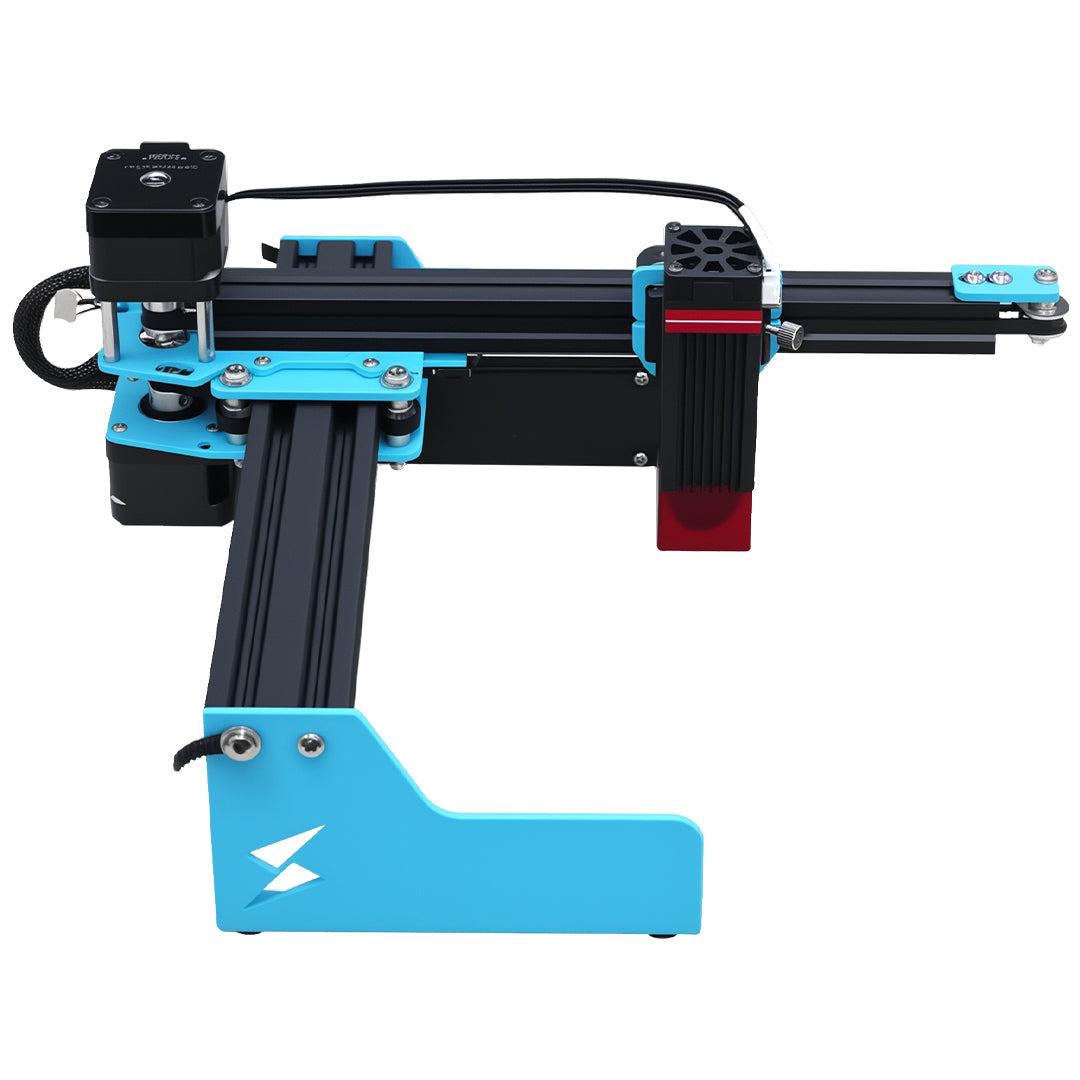
For beginners looking to get started with laser engraving leather projects, the Tyvok A1 Mini 10W diode laser has more than enough power to handle both real and faux leather, producing crisp, clean engravings every time. If you're looking for even more precision and faster engraving speeds, the Tyvok P2 portable galvo laser also handles leather beautifully, perfect for anyone looking to scale up their leather engraving business.
Both materials have their advantages and disadvantages. Real leather looks and smells amazing, but it's more expensive and can be trickier to work with. Faux leather is cheaper and more consistent, but doesn't have the same premium feel.
In this guide, we'll compare real leather vs faux leather for laser engraving, covering everything from cost and availability to safety, settings, and final results. By the end, you'll know which is the best choice for your next project.
What is Real Leather?
Real (genuine) leather is made from animal hides, typically cowhide, though other types like goatskin, sheepskin, and even exotic leathers are available. It's a natural material that's been used for thousands of years, and it's prized for its durability and unique character.
For laser engraving, full-grain and top-grain leathers are the most common choices. These have the natural grain intact and produce the best-looking results. Split leather is cheaper but has a more uniform texture and doesn't engraving quite as nicely.
What is Faux Leather?
Faux leather (also called artificial leather, vegan leather, or pleather) is a man-made material designed to look like real leather. The most common types are: - PVC leather: Made from polyvinyl chloride, the original faux leather
-
PU leather: Made from polyurethane, more flexible and closer to real leather
-
Microfiber leather: Newer type with very fine fibers that feels very much like real leather
PU and microfiber leathers are generally higher quality than basic PVC, and they're more popular for laser engraving projects because they produce better results.
Cost Comparison: Real vs Faux Leather
Cost is often the first consideration for beginners who are just experimenting: - Real leather: More expensive. A small 8x10 piece of good quality full-grain leather can cost $15-$30, depending on the thickness and quality. Exotic leathers are even more expensive. - Faux leather: Much more affordable. You can get a good-sized 8x10 sheet of quality PU leather for $5-$10, sometimes even less when buying in bulk.
For beginners who are just practicing and experimenting, the lower cost of faux leather is a big advantage. You can make mistakes without worrying about wasting expensive material.
How Does Each Material Engrave?
The engraving results are where you'll see the biggest differences between real and faux leather.
Real Leather Engraving Results
When you laser engrave real leather, the laser burns away the surface layer, creating a dark, permanent recessed engraving. The natural oils in the leather help create good contrast, and the natural grain adds character to your design.
Pros:
-
Unique natural grain pattern makes every engraving one-of-a-kind
-
Dark, high-contrast engravings that look premium
-
Deeper engravings are possible without cutting through
-
The engraved smell is often described as pleasant (think leather smoke)
-
Real leather ages beautifully, developing a richer patina over time
Cons:
-
Natural variation means results can vary even between pieces of the same leather
-
More prone to smoke and residue during engraving
-
Thicker pieces can warp slightly from the heat
-
Some very heavily processed leathers don't engrave as well
Faux Leather Engraving Results
Faux leather engraves differently depending on the type, but generally produces very clean, consistent results. The laser typically vaporizes the top color layer, revealing a contrasting color underneath in many faux leathers.
Pros:
-
Very consistent results every time – no natural variation to worry about
-
Many faux leathers are designed with contrasting layers that produce excellent contrast
-
Generally produces less smoke and residue than real leather
-
Easier to cut cleanly because of consistent thickness
-
Less expensive for practice and large projects
Cons:
-
Doesn't have the natural feel and smell of real leather
-
Some cheaper PVC leathers can produce unpleasant fumes when lasered
-
Lower quality faux leathers can peel or delaminate over time
-
Less durable than quality real leather
Safety Considerations
Safety should always be your top priority when laser engraving. Here's what you need to know about both materials:
Real Leather Safety
Real leather is generally safe for laser engraving, though there are a few things to keep in mind: - Natural leather produces smoke and fumes when engraved – always use proper ventilation
-
Some tanned leathers may have chemical treatments – always work in a well-ventilated area
-
The smoke from real leather isn't generally considered toxic, but it's still best to avoid breathing it
-
Clean your air filter regularly when engraving a lot of leather
Bottom line: With proper ventilation, real leather is safe to laser engrave.
Faux Leather Safety
Faux leather safety depends entirely on what it's made of: - PU leather: Generally considered safe for laser engraving, produces less toxic fumes than PVC
- PVC leather: When burned, PVC releases hydrochloric acid gas, which is toxic if inhaled. Many people avoid laser cutting/engraving PVC for this reason.
- Microfiber leather: Usually safe, but check the composition – if it contains PVC, take extra precautions
Important safety note: If you're going to engrave faux leather, we recommend sticking with PU or microfiber leather that doesn't contain PVC. Always make sure you have excellent ventilation, regardless of what type you're using.
If you're unsure what your faux leather is made of, check with the supplier before you start engraving. It's always better to be safe than sorry when it comes to fumes.
Recommended Settings for Diode Lasers
Here are starting settings for engraving both materials with a 5W diode laser like the Tyvok A1 Mini. Remember to always test on scrap first:
Real Leather Settings (5W Diode):
-
Light engraving (just surface darkening): Power 30-40%, Speed 200-300 mm/s
-
Medium engraving (defined recess): Power 40-60%, Speed 150-200 mm/s
-
Deep engraving: Power 60-80%, Speed 100-150 mm/s
-
Cutting (2-3mm thick): Power 80-100%, Speed 20-30 mm/s, multiple passes if needed
Faux Leather (PU) Settings (5W Diode):
-
Light engraving: Power 25-35%, Speed 200-300 mm/s
-
Medium engraving: Power 35-50%, Speed 150-200 mm/s
-
Deep engraving: Power 50-70%, Speed 100-150 mm/s
-
Cutting (2-3mm thick): Power 70-90%, Speed 20-30 mm/s
Pro Tips for Settings:
-
Always use air assist to help blow away smoke and prevent excessive charring
-
Start with lower power – you can always go back for a second pass if you want deeper engraving
-
Different colors and treatments will require different settings – test first!
Common Projects for Each Material
Both materials are suitable for a wide range of laser engraving projects, but here are the most common uses:
Best Projects for Real Leather:
-
Premium wallets and cardholders
-
Custom leather belts
-
High-end wedding gifts and groomsmen gifts
-
Leather watch straps
-
Luxury journal covers
-
Heirloom quality items that will last for decades
Best Projects for Faux Leather:
-
Practice projects for beginners
-
Large projects where cost is a factor
-
Event giveaways and promotional items
-
Vegan/vegetarian products where real leather isn't appropriate
-
Beginner business startups testing the market
-
Kids crafts and projects
Pros and Cons Summary
Category Real Leather Faux Leather (PU)
Cost More expensive Much more affordable
Consistency Natural variation Very consistent
Appearance Natural, premium look Looks good but not authentic
Durability Extremely durable, lasts decades Good quality can last years, cheaper fades faster
Smell Natural leather smell (pleasant to many) Plastic or chemical smell when new
Safety Generally safe with ventilation PU is safe, PVC can be toxic
Vegan-friendly No Yes (all types)
Beginner-friendly Less forgiving of mistakes More forgiving, cheaper mistakes
Which is Better for Beginners?
For most beginners who are just getting started with laser engraving, faux leather (quality PU leather) is usually the best choice because:
1. It's much cheaper, so you can practice without worrying about wasting expensive material
2. It's more consistent, so you'll get more predictable results when you're still learning settings
3. It produces excellent contrast that looks great in finished projects
4. It's easier to cut cleanly because the thickness is consistent
That said, if you're making premium products to sell or give as gifts, and you have the budget for it, real leather is definitely worth the extra cost. The finished product has a premium feel and quality that you just can't get from faux leather, and customers are often willing to pay more for genuine leather products.
If you're vegan or making products for vegans, faux leather is obviously the only choice – and quality PU leather looks so good these days that most people won't be able to tell the difference just by looking.
Tips for Getting Great Results with Either Material
No matter which material you choose, these tips will help you get better engravings:
1. Secure your material: Leather can curl, especially when heat is applied. Use tape or honeycomb pins to hold it flat against the bed.
2. Clean your lens: Leather produces smoke that can condense on your lens. Clean it more frequently when doing multiple leather projects.
3. Ventilation is key: Always run your exhaust fan when engraving leather – both real and faux. This keeps fumes out of your workspace and helps prevent discoloration from smoke.
4. Test first: Always test your settings on a scrap piece of the same material. This is especially important with real leather because of natural variation.
5. Post-processing: After engraving, gently brush away any loose charred particles with a soft brush. For real leather, you can apply a small amount of leather conditioner after engraving to keep it supple.
Final Thoughts
Both real leather and faux leather are excellent materials for laser engraving, and both have their place in a laser engraver's workshop. The choice really comes down to your budget, what you're making, and who you're making it for.
If you're just starting out, we recommend getting some inexpensive faux leather sheets to practice with. It's the best way to learn your machine, experiment with settings, and build your confidence without breaking the bank. Once you've got the hang of it, you can move up to real leather for your premium projects.
Ready to start engraving leather? The Tyvok A1 Mini 10W diode laser is perfect for both real and faux leather projects, with enough power for deep engraving and precise cutting for small leather goods. If you're looking for professional-grade speed and precision for leather goods production, the Tyvok P2 galvo laser engraver can handle high-volume leather engraving with incredible speed and detail.
Looking to get some leather to practice your laser engraving? Check out our collection of ready-to-engrave leather blanks: - Square Leather Coaster Bottle Opener
For more beginner-friendly material guides, check out our complete list of materials you can engrave with a 5W diode laser.
Related Articles
Related TYVOK P2 Buying Resources
Use these TYVOK resources to compare machine fit, project workflow, and buying options before choosing a laser engraver. - TYVOK P2 Galvo Laser Engraver