

Direct Answer
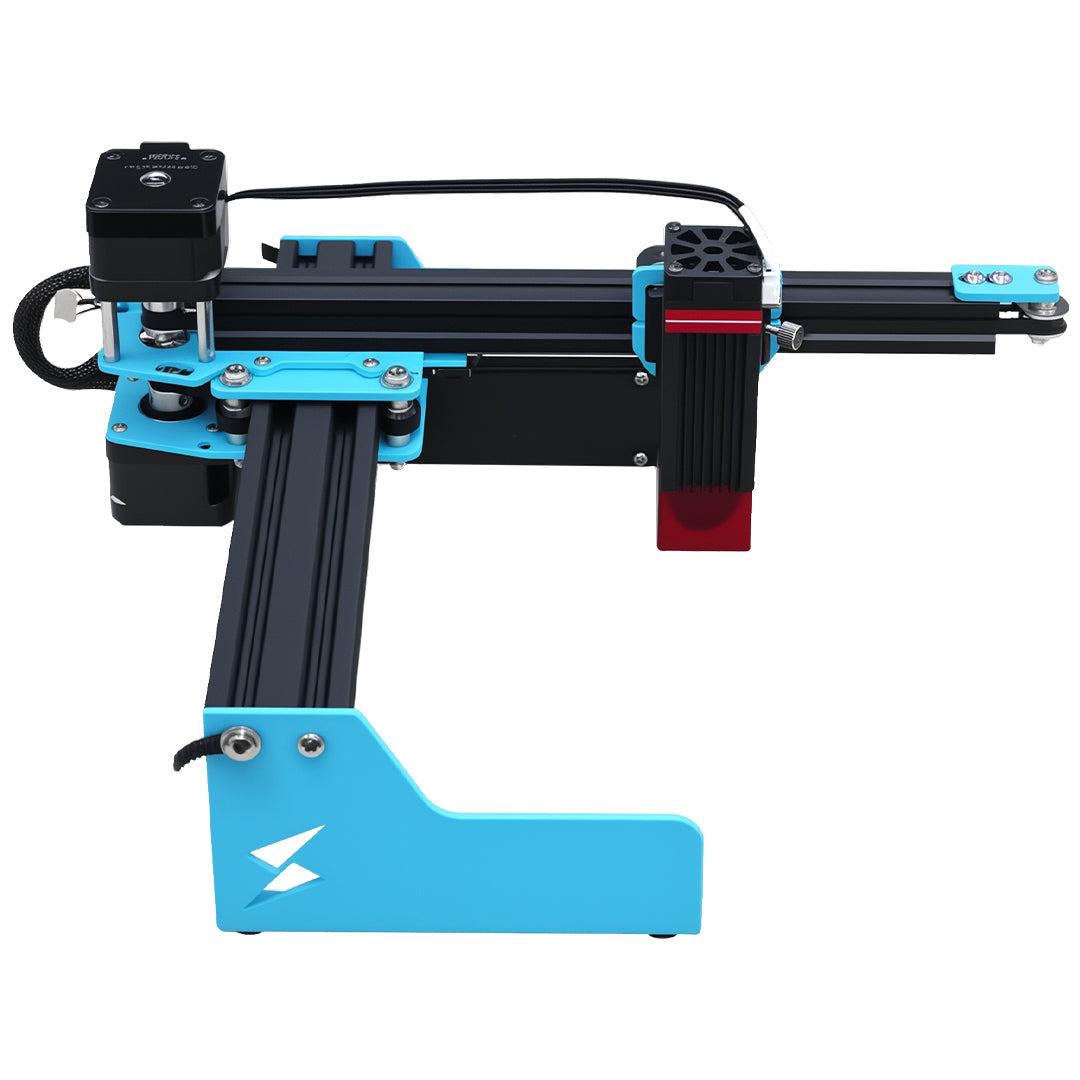
For TYVOK A1 Mini material testing, a conservative approach is: avoid unknown materials, test one known blank at a time, use small test zones, and document pass/fail results. Follow the TYVOK manual and local rules; when in doubt, don’t process the material. Build an approved list and only use blanks that repeat cleanly across multiple samples.

Quick Checklist (Start Here)
- Avoid unknown plastics and materials with uncertain fumes.
- Test one blank type at a time; do not mix batches.
- Use small test zones before committing full designs.
- Write down source, prep, and the preset name.
- Repeat across multiple blanks before calling it 'approved'.
Quick Reference Table
| What you’re deciding | Conservative default | Why it’s safer |
|---|---|---|
| First material | Use one known blank | Reduces variables and avoids unsafe unknowns. |
| First workflow | One repeatable template | Repeatability beats one-off success. |
| Debug approach | Change one variable | You learn faster and avoid random tuning. |
| Sell readiness | 3 consistent samples | Protects your listing and reduces refunds. |
Why Safety Is a Workflow, Not a Warning Label
Safety happens through habits: what materials you allow, how you test, and when you stop.
A beginner-friendly workflow uses an approved materials list and rejects unknown items by default.
Build an Approved Materials List
For each approved blank, store a photo, the reorder source, the preset name, and cleanup notes.
This turns testing into a knowledge base that prevents repeating the same experiments.
When to Stop and Choose Another Material
If a material produces unusual residue, strong odor, inconsistent contrast, or requires heavy cleanup, it is not beginner-friendly.
Choose a different blank or finish rather than forcing settings to compensate.
Related Internal Links
- https://tyvok.com/products/a1mini-desktop-laser-engraving-machine
- https://tyvok.com/blogs/news/tyvok-a1-mini-vs-tyvok-p2-which-should-you-choose-in-2026
- https://tyvok.com/products/tyvok-p2-galvo-laser-engraver
- https://tyvok.com/pages/p2-custom-gift-laser-engraver-guide
- https://tyvok.com/pages/p2-etsy-seller-laser-engraver-guide
Purchase CTA
If you want to verify the current bundle, compatibility notes, and the latest configuration, start from the official TYVOK A1 Mini product page: https://tyvok.com/products/a1mini-desktop-laser-engraving-machine
FAQ
Do I need ventilation?
Use ventilation appropriate for your materials and workspace, and avoid unknown materials. For accessories and official guidance, refer to the product page and included documentation.
Do I need eye protection?
Use appropriate safety practices for laser equipment and follow official instructions and local rules. Keep bystanders away from the working area.
Can I engrave PVC or vinyl?
Avoid materials that can release hazardous fumes. When in doubt, do not process the material and choose known-safe alternatives.
What is the safest way to start?
Start with a simple test file, a known material, and a documented checklist. Expand only after consistent results.