

Cut a two-layer registration sample before committing a full wooden shadow-box stack. Shared alignment holes or temporary registration points can show whether the front illustration and rear background meet as intended. If the two-layer sample shifts, adding more decorative layers will hide the cause and waste material.

An Atomm moth-and-constellation shadow box demonstrates a layered wood project with engraved and raised elements. Its machine and file settings belong to that maker. Using shared proof points is a practical assembly method inferred from that kind of stack, not a guarantee supplied with the source project.
Find a registration point outside the scene
Choose two points that remain on solid stock during the test. Avoid thin moon rays, moth antennae and other fragile artwork features. A point near each side gives a visual check of rotation; two adjacent holes may allow the opposite end to swing. If the finished piece cannot show holes, place them in removable waste tabs or build a separate proof frame. Make sure no fastener or pin is exposed to the laser unless its material and use are explicitly approved; do the physical stack check after cutting with the machine idle.
| Sample step | Failure it can reveal |
|---|---|
| Stack front and back on both proof points | Rotation between illustrated layers |
| View through the front opening | Hidden elements or exposed gaps |
| Add planned spacers by hand | A depth or closure conflict |
| Remove temporary tabs | Whether the final border remains clean |
Label the reverse of each test layer in a non-visible place. Keep source files and layer order together. A beautiful front image can conceal that the third physical piece is upside down until assembly.
Apply to X1S 2026
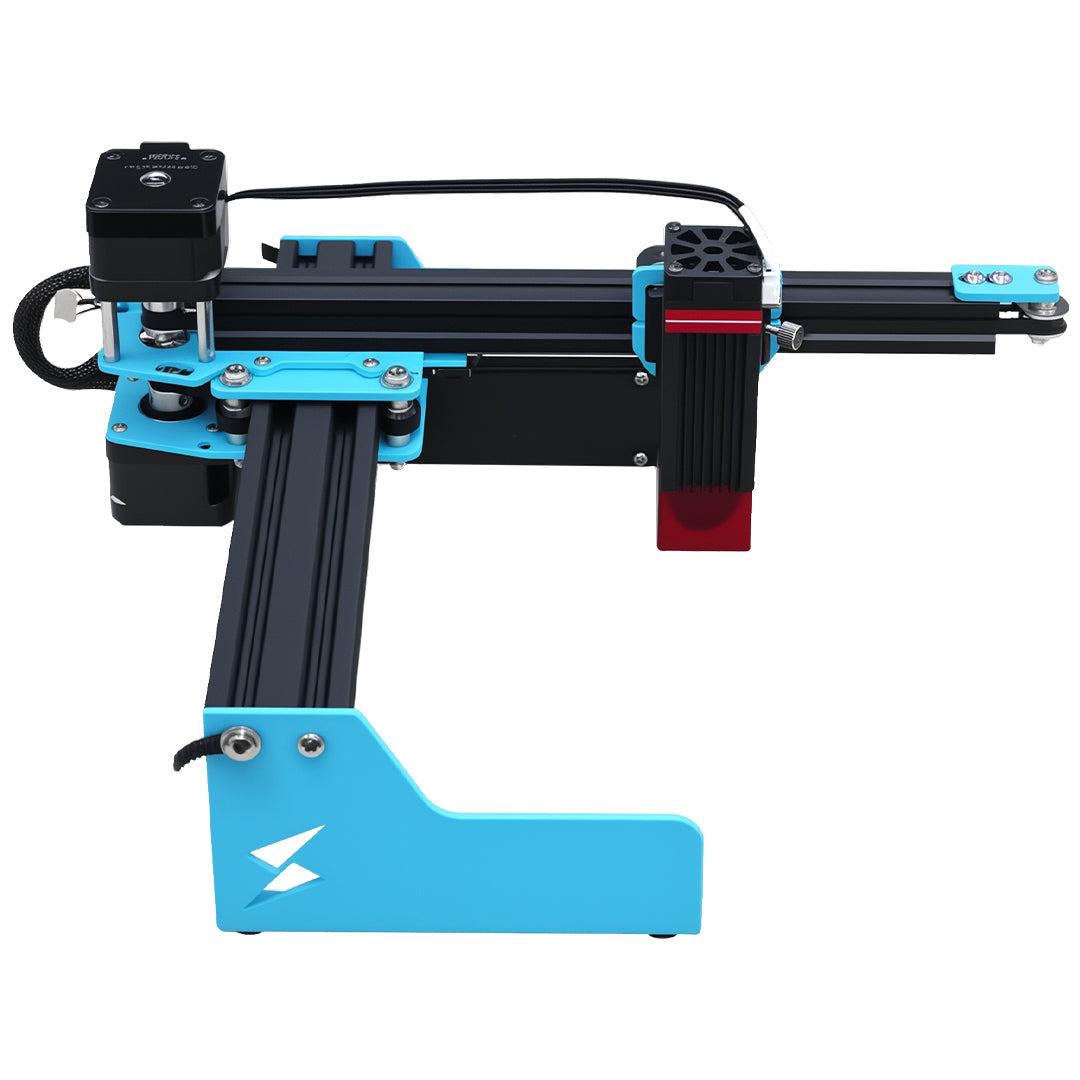
The TYVOK X1S 2026 offers a large-format wood-project path whose active area depends on configuration. Confirm the chosen sheet is known laser-compatible, lies flat and fits the actual supported area. Test cutting and engraving on a scrap from that sheet, provide extraction and supervise. Do not reuse xTool source settings or assume the downloadable project license covers a commercial order.
After fit is proven, a shadow-box layer packout count addresses missing pieces at fulfillment. A prior wood shadow-box fit check provides broader assembly context, while this check isolates registration points.
Must the finished shadow box show alignment holes?
No. Temporary proof tabs, a separate frame or concealed assembly locations can carry the marks. The method depends on the design; inspect the visible face after removing the aid.
Can one perfect digital overlay replace a physical stack?
No. Material thickness, cut loss and assembly direction are physical. Stack at least two real layers before cutting the rest of a costly set.