

How to Laser Engrave Leather: Settings, Tips, and Project Ideas
So, you’ve got a beautiful piece of leather and a laser engraver, and you’re ready to create something unique. But your first few attempts left you with a charred, smelly mess instead of a crisp, elegant design. Sound familiar? You’re not alone. Laser engraving leather is incredibly rewarding, but it requires a specific approach to avoid common pitfalls like burning, uneven depth, and poor contrast. This guide will walk you through everything you need to know—from choosing the right leather to dialing in the perfect settings on your machine—so you can consistently produce professional-looking results.

Why Laser Engrave Leather?
Before we dive into the "how," let's talk about the "why." Laser engraving offers distinct advantages for working with leather that traditional tools can't match.
- Precision & Detail: A laser can reproduce incredibly intricate designs, fine text, and complex logos with perfect accuracy every time.
- Permanence: The engraving is burned into the surface, creating a mark that won't fade, peel, or rub off over time.
- Versatility: You can achieve different effects—from light surface marking (for a subtle, tan-colored etch) to deep engraving (for a pronounced, dark groove).
- Efficiency & Repeatability: Once you have your settings dialed in, you can reproduce the same perfect result on dozens of items, making it ideal for personalized gifts or small-batch production.
Whether you’re personalizing a wallet, creating custom journal covers, or adding branding to a product, laser engraving elevates your leatherwork.
Choosing the Right Leather for Laser Engraving
Not all leather is created equal, especially under a laser beam. Your material choice is the single biggest factor in your success.
- Vegetable-Tanned Leather: This is the gold standard for laser engraving. It’s tanned using natural tannins found in plants and tree bark. When lasered, it produces a clean, high-contrast mark, typically turning a rich, dark brown. It’s ideal for projects where the engraving is the star.
- Chrome-Tanned Leather: This is the most common type, tanned using chromium salts. It’s more supple and comes in many colors, but it does not engrave well. It often melts, produces toxic fumes, and results in a poor, inconsistent mark. Avoid it for engraving.
- Finished vs. Unfinished: Look for leather with a smooth, natural finish. Heavily painted, dyed, or sealed surfaces can melt or produce unwanted results. A light application of neatsfoot oil or leather conditioner after engraving is fine, but engrave on the raw surface first.
Pro Tip: Always test a new type or batch of leather on a small scrap piece first. This saves you from ruining a large, expensive piece.
Best Laser Settings for Leather (And How to Find Them)
This is the heart of the process. Settings vary based on your laser's power and type. Here’s a breakdown for common machines, including models from Tyvok, which offer great control for this kind of work.
For Diode Lasers (e.g., Tyvok A1 Mini 10W)
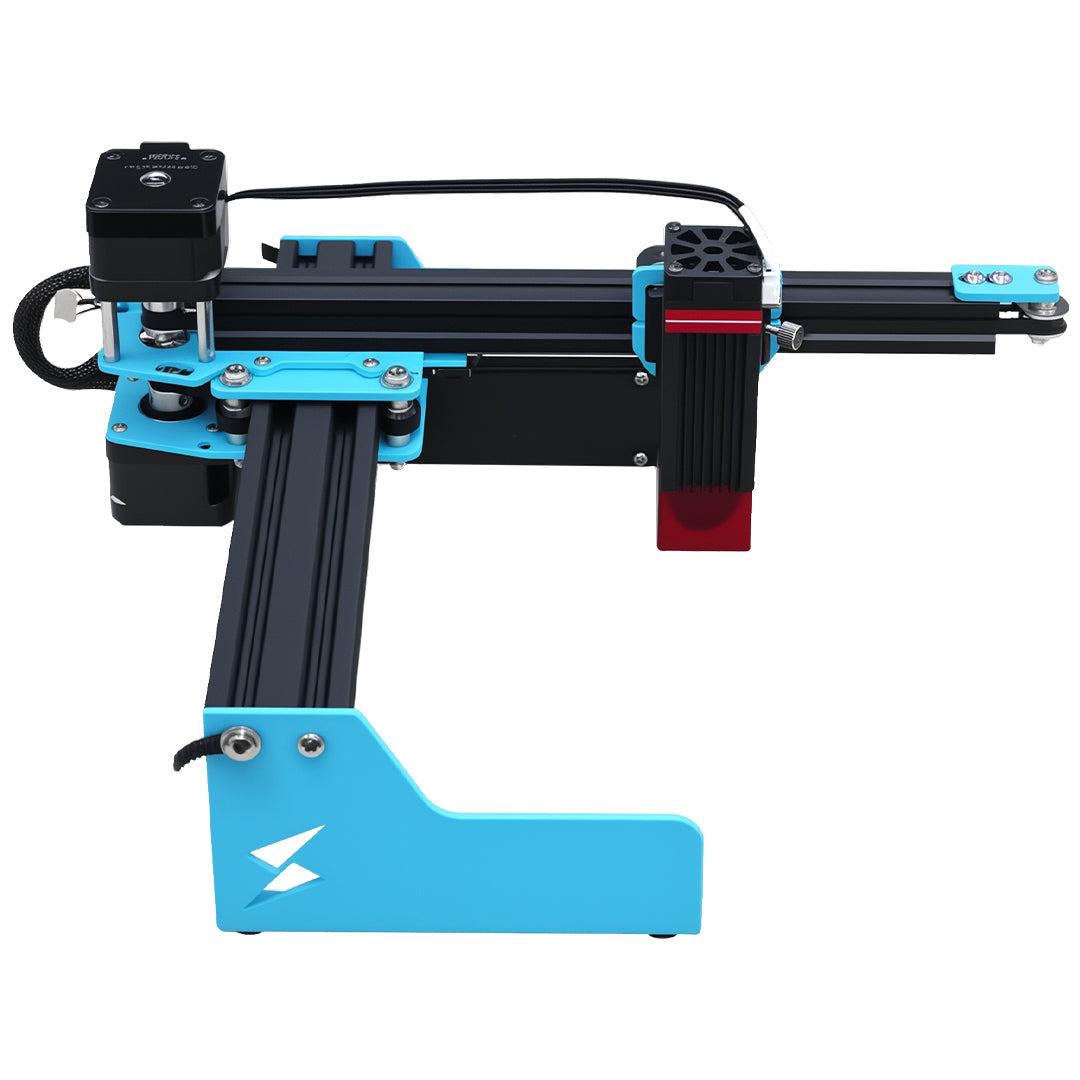
Diode lasers are great for entry-level and desktop engraving. They work best with light to medium engraving on leather. * Power: 70-85% of max power. * Speed: 100-200 mm/s (slower for darker/deeper engraves). * Passes: 1-2 passes. Multiple passes at lower power often yield cleaner results than one high-power pass. * Focus: Ensure your laser is perfectly focused on the leather's surface. The A1 Mini’s autofocus feature is handy here.
For Galvo Fiber Lasers (e.g., Tyvok P2 10W Galvo)
Galvo lasers are incredibly fast and precise, perfect for detailed graphics and text. * Speed: This is your primary control. Start around 1500-2000 mm/s. * Power: Adjust between 30-60% power. Higher power at high speed gives a clean, dark mark. * Frequency (PPI): A lower frequency (like 20-50 KHz) can help create a darker mark on organic materials like leather. * Use Vector Mode: For outlines and text, use vector (line) engraving mode for the cleanest edges.
For CO2 Lasers (e.g., Tyvok K1 Large Format)
CO2 lasers are powerful and excellent for both deep engraving and cutting thicker leather. * Power: 10-20% power for engraving. Leather requires surprisingly little power from a CO2 tube. * Speed: 50-150 mm/s. * DPI/Resolution: 300-500 DPI for a smooth, filled engraving.
The Universal Rule: Test, Test, Test! Create a test grid (a simple matrix of squares with varying power/speed settings) on a scrap of your exact leather. This is the only way to find your machine's perfect "sweet spot."
Essential Tips to Prevent Burning and Improve Results
Getting the settings right is half the battle. These pro-tips will take your engravings to the next level.
- Masking is Your Best Friend: Apply a layer of painter's tape or transfer tape to the leather surface before engraving. This dramatically reduces surface scorching and smoke residue, leaving a cleaner, lighter-colored engrave. Peel it off immediately after the job is done.
- Ensure Proper Ventilation: Engraving leather produces smoke and odor. A good exhaust fan or fume extractor (like those compatible with the Tyvok K1 enclosure) is crucial for air quality and to prevent soot from settling back onto your workpiece.
- Level Your Bed: Make sure the leather is perfectly flat and level relative to the laser head. An uneven surface causes variations in focus and burn depth.
- Wet the Leather (Carefully): A slightly controversial but effective trick for vegetable-tanned leather. Lightly misting the surface with water before engraving can help minimize scorch marks and promote a more even, darker burn. Let the surface water evaporate so it's just damp, not wet. Test this first!
- Post-Process for a Clean Finish: After engraving, wipe the surface gently with a damp cloth to remove any loose soot. Once dry, you can apply a light leather conditioner to nourish the material and make the engraving pop.
Creative Project Ideas to Get You Started
Ready to put your knowledge into practice? Here are some popular and profitable project ideas.
- Personalized Wallets & Cardholders: A laser-cut leather wallet with an engraved monogram or signature is a timeless gift. Use vector settings to cut the shape and engrave the design.
- Custom Keychains & Bag Tags: Simple, fast, and always in demand. Use a sturdy vegetable-tanned leather and add names, logos, or fun graphics.
- Engraved Journal Covers and Bookmarks: Elevate a simple notebook or create a beautiful bookmark with an inspirational quote or intricate pattern.
- Pet Tags: A durable and stylish alternative to metal. Engrave the pet's name and your phone number.
- Decor & Wall Art: Engrave detailed landscapes, portraits, or typography onto large leather panels for unique rustic home decor.
- Bracelets & Cuffs: Create custom-fit cuffs with ornate engraved designs or meaningful dates.
Frequently Asked Questions
Can you laser engrave any type of leather?
No. You should almost exclusively use vegetable-tanned leather for the best, safest results. Chrome-tanned leather can produce toxic fumes and poor engraving quality. Always check the tanning method before you begin.
How do I get a dark engraving on leather without burning it?
The key is high speed and moderate power, not high power and low speed. Using masking tape, ensuring your lens is clean, and testing on scraps are essential. On a galvo laser like the Tyvok P2, high speed with sufficient power creates a crisp, dark mark without excessive charring.
Can I laser cut leather as well as engrave it?
Absolutely. Lasers are excellent for cutting leather. It requires higher power (or more passes) and faster speed. Ensure you have a machine with enough power for the thickness—a 10W diode can cut thin leather, while a CO2 laser like the Tyvok K1 can handle thicker pieces. Always engrave first, then cut.
How do I clean the soot off after engraving?
Let the piece cool, then gently wipe it with a slightly damp microfiber cloth. For stubborn residue, use a specialized leather cleaner after the initial wipe. Avoid rubbing too hard on the engraved area.
Conclusion
Laser engraving leather opens up a world of creative and professional possibilities. By starting with the right material (remember, vegetable-tanned!), methodically finding your machine’s perfect settings through testing, and employing simple tricks like masking tape, you can consistently achieve beautiful, burn-free results. Whether you’re using an entry-level desktop model or a large-format workhorse, the principles remain the same. So, grab some leather scraps, run your test grid, and start creating those personalized, enduring pieces that make laser engraving so satisfying. The perfect custom wallet or journal cover is just a few focused beams away.